%2Ffit-in%2F250x250%2Fguide_websites%2F183248%2Fimages%2F1786763499939logo.jpg&w=1920&q=100)
/users/3ffc1c38-eacf-4136-9ad2-736afa73fba9/ratecard/674114589_122108715075072841_8323587910704833933_n-mstr9wf5.jpg)
%2F300x300%2Fusers%2F3ffc1c38-eacf-4136-9ad2-736afa73fba9%2Fratecard%2F674114589_122108715075072841_8323587910704833933_n-mstr9wf5.jpg&w=256&q=75)
%2F300x300%2Fusers%2F3ffc1c38-eacf-4136-9ad2-736afa73fba9%2Fimages%2Fdaytona-beach-red-snapper-catch-2512.jpg&w=256&q=75)
%2F300x300%2Fusers%2F3ffc1c38-eacf-4136-9ad2-736afa73fba9%2Fimages%2Fdaytona-beach-cobia-fishing-catch-2543.jpg&w=256&q=75)
%2F300x300%2Fusers%2F3ffc1c38-eacf-4136-9ad2-736afa73fba9%2Fimages%2Fdaytona-beach-cobia-fishing-catch-2668.jpg&w=256&q=75)
%2F300x300%2Fusers%2F3ffc1c38-eacf-4136-9ad2-736afa73fba9%2Fimages%2Fdaytona-beach-gag-grouper-catch-2527.jpg&w=256&q=75)
%2F300x300%2Fusers%2F3ffc1c38-eacf-4136-9ad2-736afa73fba9%2Fimages%2Fking-mackerel-barracuda-daytona-beach-2904.jpg&w=256&q=75)
%2F300x300%2Fusers%2F3ffc1c38-eacf-4136-9ad2-736afa73fba9%2Fimages%2Fdaytona-beach-gag-grouper-fishing-2667.jpg&w=256&q=75)
%2F300x300%2Fusers%2F3ffc1c38-eacf-4136-9ad2-736afa73fba9%2Fimages%2Fdaytona-beach-mixed-species-catch-3105.jpg&w=256&q=75)
%2F300x300%2Fusers%2F3ffc1c38-eacf-4136-9ad2-736afa73fba9%2Fimages%2Fdaytona-beach-cobia-fishing-success-2591.jpg&w=256&q=75)
%2F300x300%2Fusers%2F3ffc1c38-eacf-4136-9ad2-736afa73fba9%2Fimages%2Fgrey-snapper-daytona-beach-florida-2872.jpg&w=256&q=75)
%2F300x300%2Fusers%2F3ffc1c38-eacf-4136-9ad2-736afa73fba9%2Fimages%2Fred-grouper-daytona-beach-fishing-2730.jpg&w=256&q=75)
Raid Daytona Backwaters For Big Inshore Feeders
What you will be catching:
 Black Drum
 Redfish
 Sheepshead
 Snook
Snook
- Six-hour inshore fishing trip targeting snook, redfish, and black drum
- Captain provides all gear, tackle, and state fishing licenses
- Launch from Dunlawton Boat Ramp exploring Daytona Beach backwaters
Trip Pricing and Availabilities:
Raid Daytona Backwaters For Big Inshore Feeders
Looking for a serious inshore fishing adventure that gives you real shots at multiple trophy species? Captain David Keezet's 6-hour backwater assault puts you right in the strike zone where Daytona's biggest feeders patrol. Starting at dawn from Dunlawton Boat Ramp, you'll spend quality time working the tide changes across oyster bars, bridge shadows, and mangrove cuts that hold some of Florida's most sought-after gamefish. This isn't a rush job – six hours lets you fish smart, move with the fish, and really dial in your technique while the captain handles all the details.
What to Expect on the Water
Your day kicks off at 7:00 AM when Captain David fires up the engine and points toward the productive backwater zones that make Daytona Beach a top-rated inshore destination. The beauty of a six-hour trip is riding those full tide transitions – you'll start in one zone as the water moves, then shift tactics and locations as conditions change. The captain knows exactly where snook ambush prey around bridge pilings, where redfish cruise the flats, and which oyster bars hold the biggest black drum. You're not just casting blind here; every spot has been tested and proven over years of guiding these waters. The relaxed pace means you can work each area thoroughly, fine-tune your presentation, and really connect with the rhythm of the backwaters without feeling rushed to the next spot.
Light Tackle & Live Bait Tactics
Captain David sets you up with perfectly matched light tackle that lets you feel every head shake and run while still having enough backbone for bigger fish. The gear selection changes based on what you're targeting – lighter setups for finicky sheepshead around structure, and beefier rigs when you're pitching live baits to redfish on the flats. Live bait is the name of the game here, with fresh shrimp, pinfish, and mullet that get the attention of every predator in the area. You'll learn to read the water, present baits naturally around mangrove roots, and work the current breaks where gamefish stage to feed. The captain handles all terminal tackle, keeps the live well stocked, and makes sure your state fishing license is covered, so you can focus entirely on perfecting your technique and landing fish.
Target Species You'll Want to Hook
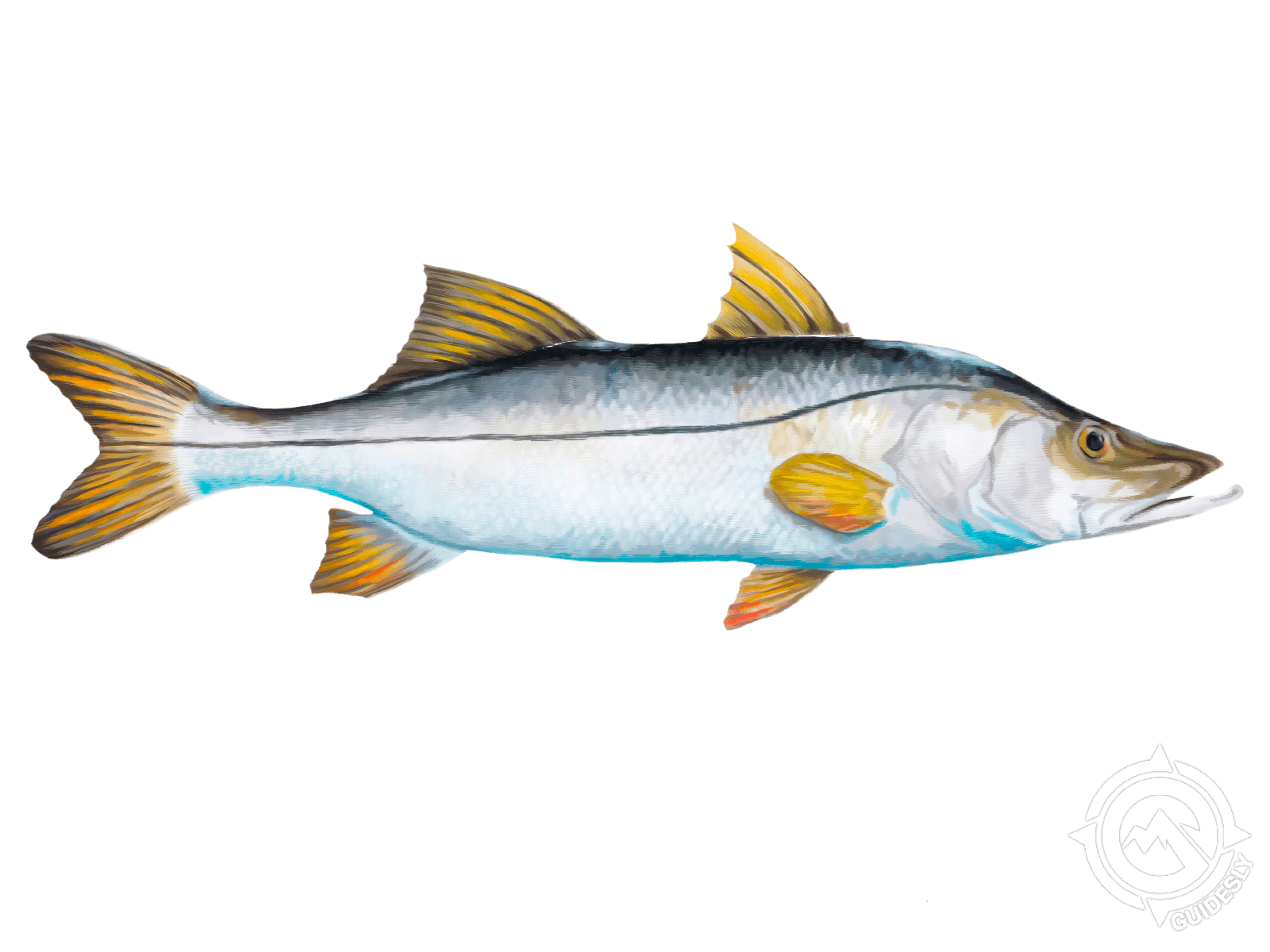
Snook are the marquee species in these backwaters, and for good reason – they're aggressive, acrobatic, and absolutely explosive when they hit. These ambush predators love the shadow lines under bridges and the edges of mangrove overhangs where they can dart out and crush unsuspecting baitfish. Spring through fall offers the best action, with fish ranging from schoolie-sized to genuine wall-hangers over 30 inches. When a snook hammers your bait, you'll know it instantly – they typically make a blistering first run toward structure, testing both your drag and your nerves. The light tackle makes every fight memorable, and Captain David knows exactly which spots produce the most consistent action.
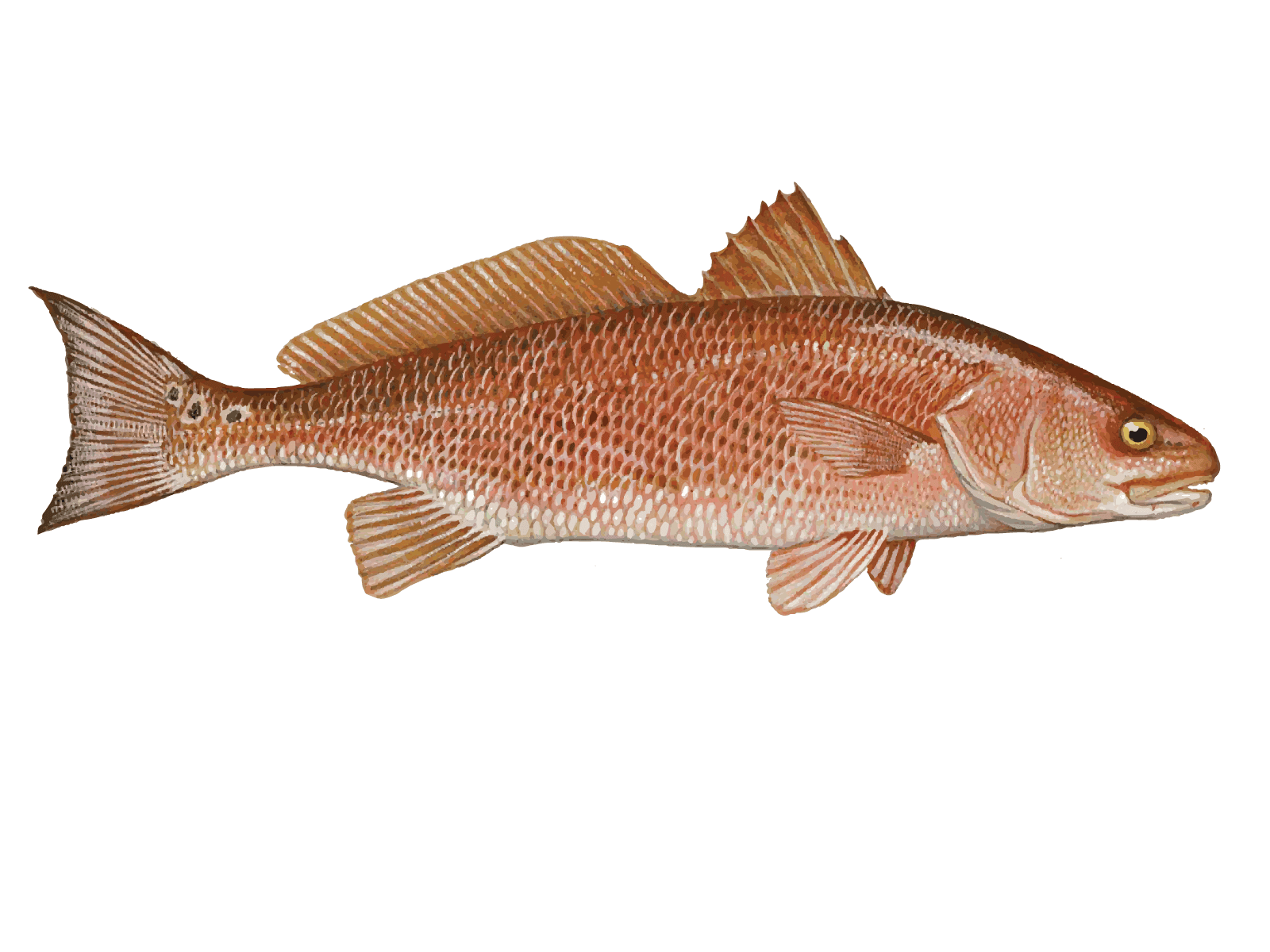
Redfish patrol these flats year-round and represent some of the most reliable action you'll find in Daytona's inshore waters. These copper-colored bruisers range from scrappy 20-inchers to true bulls pushing 40+ inches and 30+ pounds. What makes redfish special is their willingness to eat and their bulldogging fight style – they'll pull drag steadily and try to wrap you around every oyster bar and mangrove root in sight. Fall and winter months are particularly productive as reds school up in deeper holes, while spring finds them scattered across the flats in smaller groups. The sight of a red's back fin cutting through shallow water never gets old, and the eat is often visible – pure visual fishing at its finest.
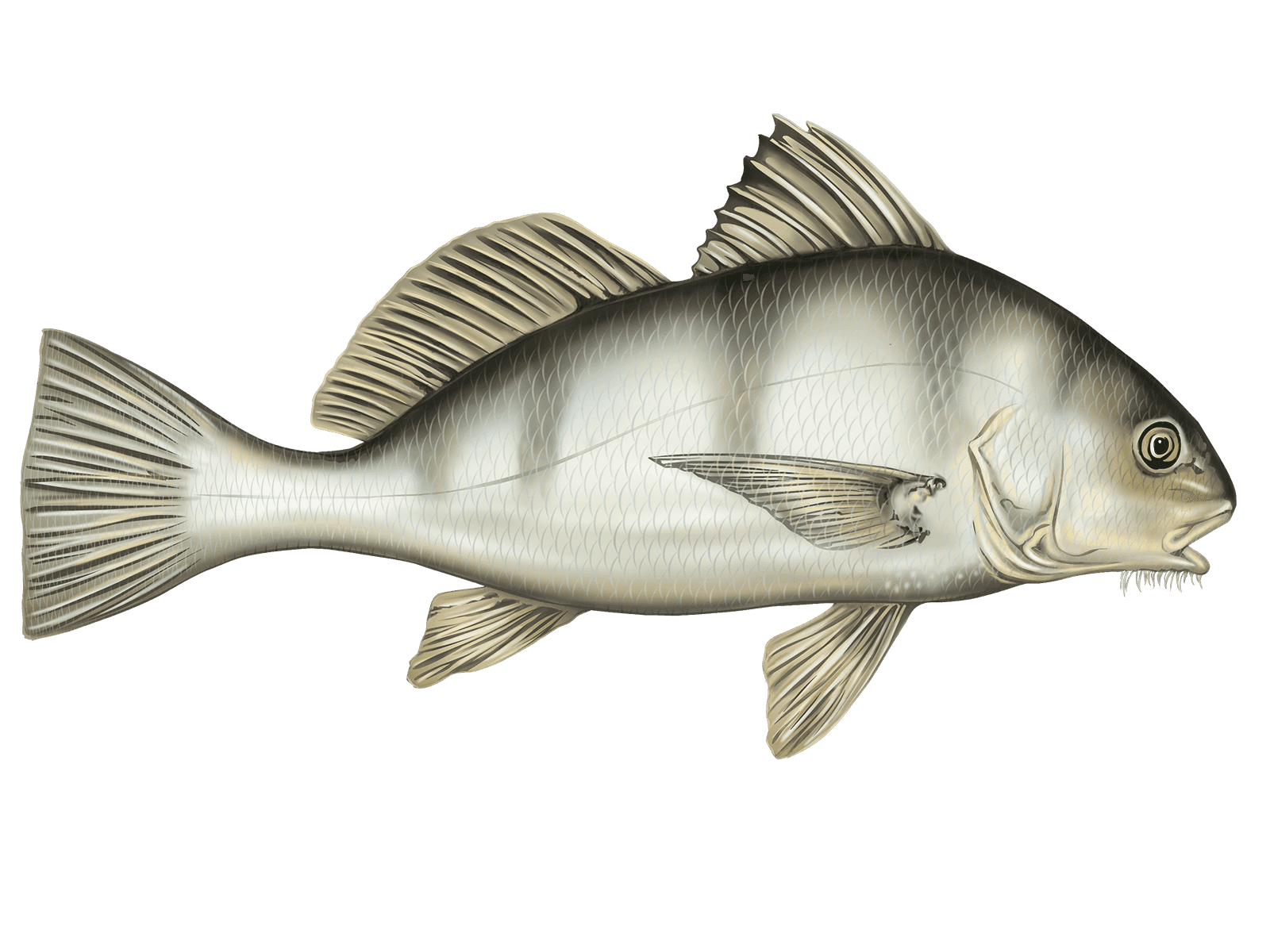
Black drum might not win beauty contests, but they're absolute muscle when it comes to fighting power. These bottom-dwelling tanks love oyster bars and bridge pilings where they crush crabs and shellfish with their pharyngeal teeth. Daytona's black drum fishery produces fish from 5 pounds up to legitimate giants over 40 pounds, and the bigger specimens will test every knot and connection you have. Winter months are prime time for the real monsters, when they school up in deeper water near structure. The fight is all about endurance – black drum don't jump or make flashy runs, but they'll pull straight down with the kind of steady pressure that makes your arms burn.
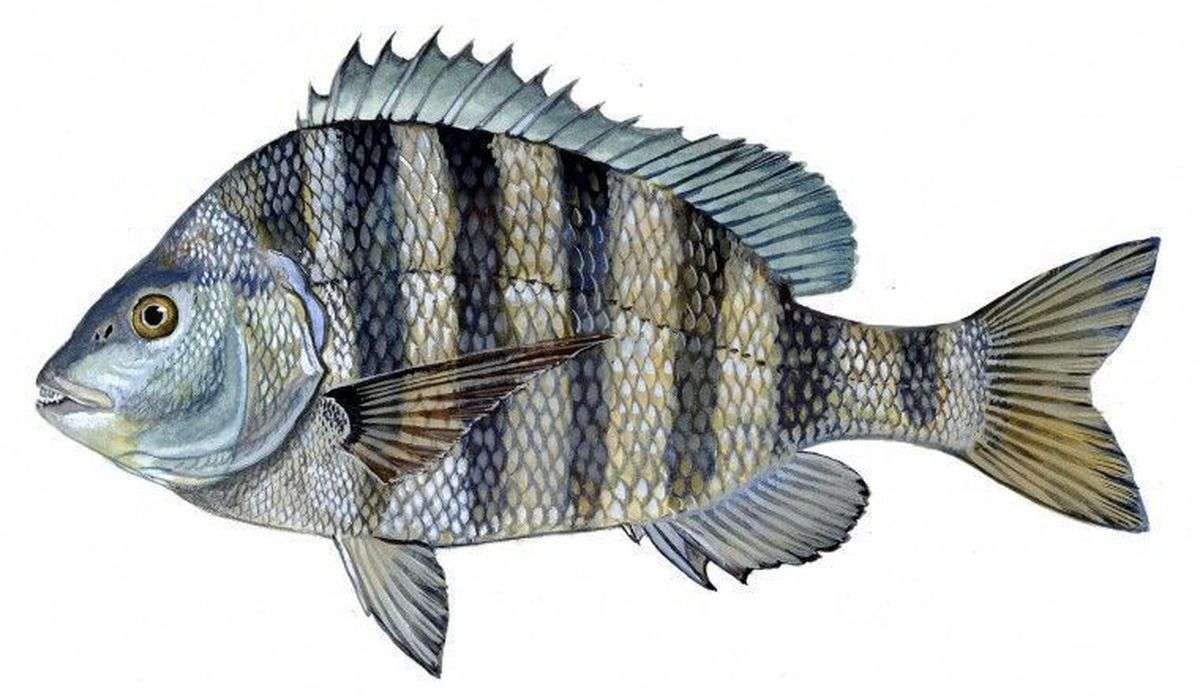
Sheepshead round out the slam opportunities with their notorious bait-stealing reputation and excellent table fare. These black-and-white striped masters of structure inhabit every bridge piling, dock post, and oyster bar in the area, using their human-like teeth to pick crabs and barnacles off hard surfaces. They're considered some of the most challenging fish to hook consistently due to their light bite and quick bait-stealing abilities, but that's exactly what makes them so rewarding to catch. Winter and early spring offer the best sheepshead action when they move into shallower water to spawn. Once hooked, they fight with surprising strength for their size and make outstanding eating – many anglers consider them the best-tasting inshore species.
Time to Book Your Spot
This 6-hour backwater adventure gives you everything serious anglers want – proven productive waters, expert local knowledge, quality light tackle, fresh live bait, and enough time to really get into the fish without feeling rushed. Captain David's approach focuses on fishing smart rather than just fishing hard, positioning you for multiple species while teaching techniques that'll make you a better angler long after the trip ends. With all gear, tackle, and licensing handled, you can concentrate on what matters most – making casts, working baits, and fighting fish. The Daytona backwaters are loaded with hungry gamefish year-round, and this world-class inshore fishery consistently produces the kind of mixed bags that keep anglers coming back. Book your spot now and get ready to
Learn more about the species
Black Drum
Black drum are the bulldogs of the flats - thick, powerful fish that average 10-20 pounds but can push 40 or more. You'll find them cruising oyster bars, muddy bottoms, and around bridge pilings where they crush crabs and shellfish with those crushing jaws. Spring brings the best fishing when they school up for spawning, making them easier to target. They're bottom feeders, so fresh crab or cut bait fished right on the bottom works best. What guests love is the steady, powerful fight - no fancy jumps, just pure muscle that'll wear you out. The smaller ones under 15 pounds make great table fare. Pro tip: use just enough weight to hold bottom and watch for subtle taps - drum don't slam baits, they pick them up and swim off slowly.
Redfish
Redfish are shallow water specialists that cruise our flats, oyster bars, and grass beds in water so skinny their backs sometimes break the surface. Most fish run 20-30 inches and put up a serious fight with long, powerful runs that'll test your equipment. You can spot them by that distinctive black spot near the tail and copper-bronze coloring. Fall and spring provide peak action when they school up and feed aggressively on the flats. What makes reds special is their willingness to eat both live bait and artificials - they're not picky when hungry. The meat is firm and mild, perfect for the table. My go-to trick is working topwater plugs early morning over shallow grass beds. The explosive surface strikes will get your heart pumping, and the fight that follows is worth the early wake-up call.
Sheepshead
Sheepshead are the convict fish of our waters with those distinctive black stripes, and they're famous for having human-like teeth perfect for crushing barnacles and crabs. Most run 2-5 pounds and 12-18 inches, though you might hook into a 10-pounder around the right structure. They live around any hard bottom - bridge pilings, docks, jetties, and oyster bars where they feed constantly. Winter and spring offer the most consistent action when they school up before spawning. Guests love the challenge because sheepshead are notorious bait thieves with delicate bites, but the reward is some of the best eating fish in our waters. The trick is using small hooks with fresh shrimp or fiddler crabs, and the second you feel weight, set the hook hard - they'll steal your bait otherwise.
Snook
Snook are ambush predators that love hanging around mangrove edges, bridge pilings, and creek mouths where they can dart out for an easy meal. You'll typically catch them in the 18-28 inch range, though bigger ones lurk in deeper water. They're temperature sensitive, so warmer months from May through September give you the best action when they're actively feeding. What makes snook special is their explosive strike and powerful runs - they'll test your drag and keep you working. The meat is excellent eating with firm, white flesh. Here's the key: get your bait right up against structure. Snook won't chase a bait very far, so accuracy beats distance every time. Live shrimp or pilchards worked tight to cover will get their attention fast.
About the Century 22-foot Center Console
%2F%2Fusers%2F3ffc1c38-eacf-4136-9ad2-736afa73fba9%2Fvehicle_picture%2Fboat-mstqs6r6.jpg&w=1920&q=75)
Vehicle Guest Capacity: 6
Manufacturer Name: Yamaha
Maximum Cruising Speed: 50
Number of Engines: 1
Horsepower per Engine: 250