%2Ffit-in%2F250x250%2Fguide_websites%2F183248%2Fimages%2F1786763499939logo.jpg&w=1920&q=100)
/users/3ffc1c38-eacf-4136-9ad2-736afa73fba9/ratecard/755808220_122122928109072841_294889345163156846_n-mstsdn8r.jpg)
%2F300x300%2Fusers%2F3ffc1c38-eacf-4136-9ad2-736afa73fba9%2Fratecard%2F755808220_122122928109072841_294889345163156846_n-mstsdn8r.jpg&w=256&q=75)
%2F300x300%2Fusers%2F3ffc1c38-eacf-4136-9ad2-736afa73fba9%2Fimages%2Fdaytona-beach-red-snapper-catch-2512.jpg&w=256&q=75)
%2F300x300%2Fusers%2F3ffc1c38-eacf-4136-9ad2-736afa73fba9%2Fimages%2Fdaytona-beach-cobia-fishing-catch-2543.jpg&w=256&q=75)
%2F300x300%2Fusers%2F3ffc1c38-eacf-4136-9ad2-736afa73fba9%2Fimages%2Fdaytona-beach-cobia-fishing-catch-2668.jpg&w=256&q=75)
%2F300x300%2Fusers%2F3ffc1c38-eacf-4136-9ad2-736afa73fba9%2Fimages%2Fdaytona-beach-gag-grouper-catch-2527.jpg&w=256&q=75)
%2F300x300%2Fusers%2F3ffc1c38-eacf-4136-9ad2-736afa73fba9%2Fimages%2Fking-mackerel-barracuda-daytona-beach-2904.jpg&w=256&q=75)
%2F300x300%2Fusers%2F3ffc1c38-eacf-4136-9ad2-736afa73fba9%2Fimages%2Fdaytona-beach-gag-grouper-fishing-2667.jpg&w=256&q=75)
%2F300x300%2Fusers%2F3ffc1c38-eacf-4136-9ad2-736afa73fba9%2Fimages%2Fdaytona-beach-mixed-species-catch-3105.jpg&w=256&q=75)
%2F300x300%2Fusers%2F3ffc1c38-eacf-4136-9ad2-736afa73fba9%2Fimages%2Fdaytona-beach-cobia-fishing-success-2591.jpg&w=256&q=75)
%2F300x300%2Fusers%2F3ffc1c38-eacf-4136-9ad2-736afa73fba9%2Fimages%2Fgrey-snapper-daytona-beach-florida-2872.jpg&w=256&q=75)
%2F300x300%2Fusers%2F3ffc1c38-eacf-4136-9ad2-736afa73fba9%2Fimages%2Fred-grouper-daytona-beach-fishing-2730.jpg&w=256&q=75)
High-Speed Gulf Stream Fishing Adventure
 Daytona Beach, Florida
What you will be catching:
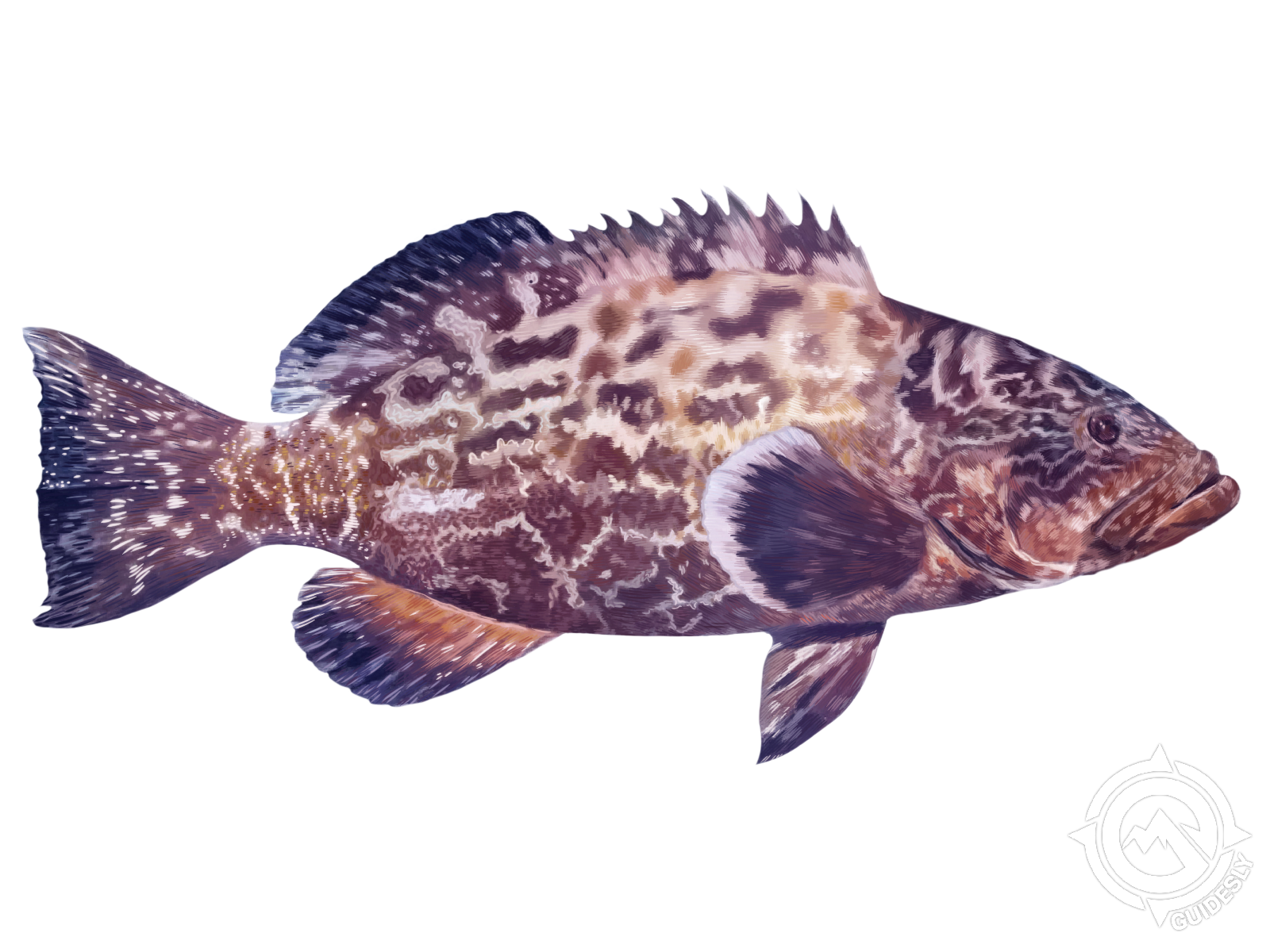 Black Grouper
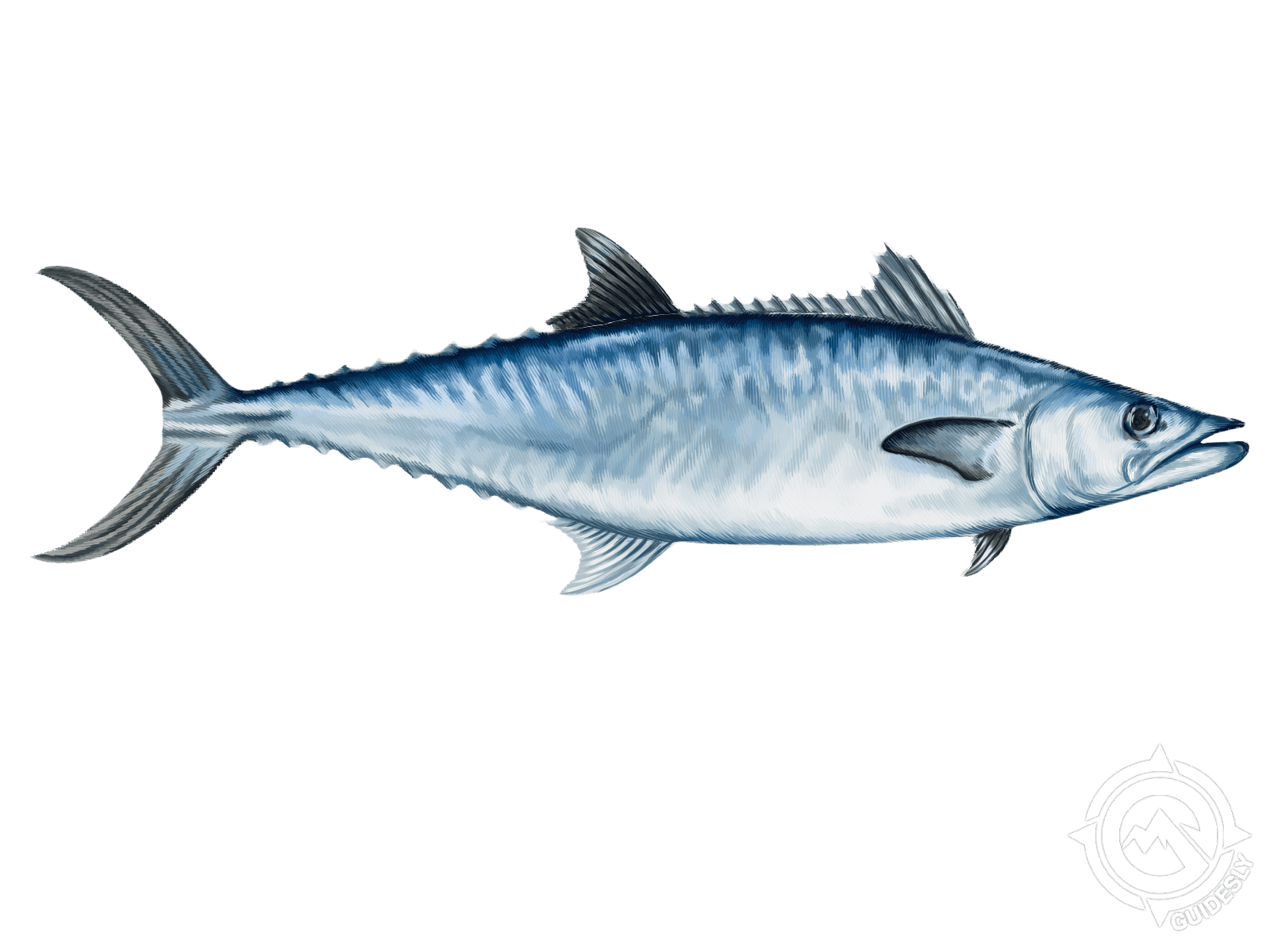
 King Mackerel
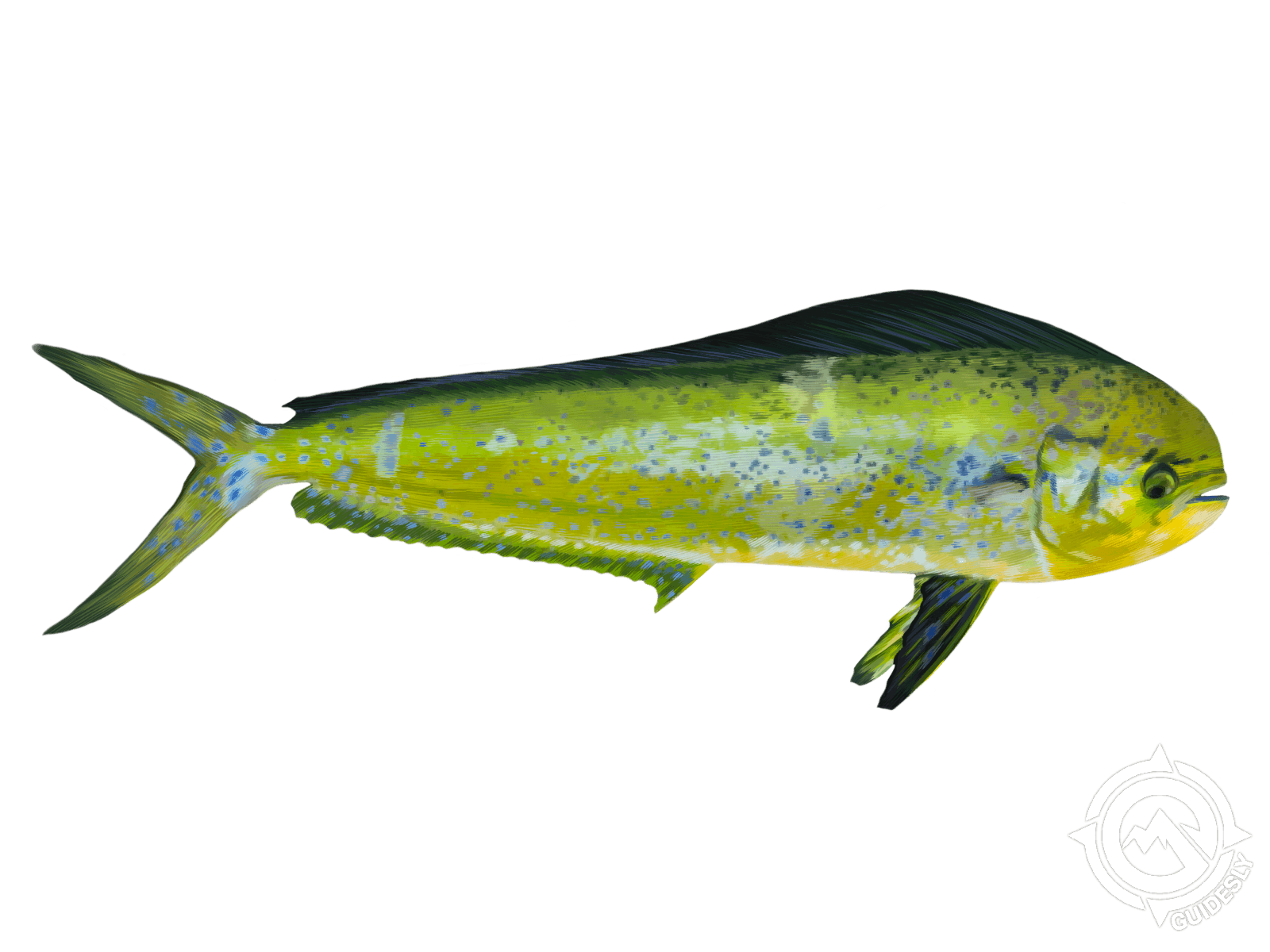
 Mahi Mahi or Common Dolphinfish
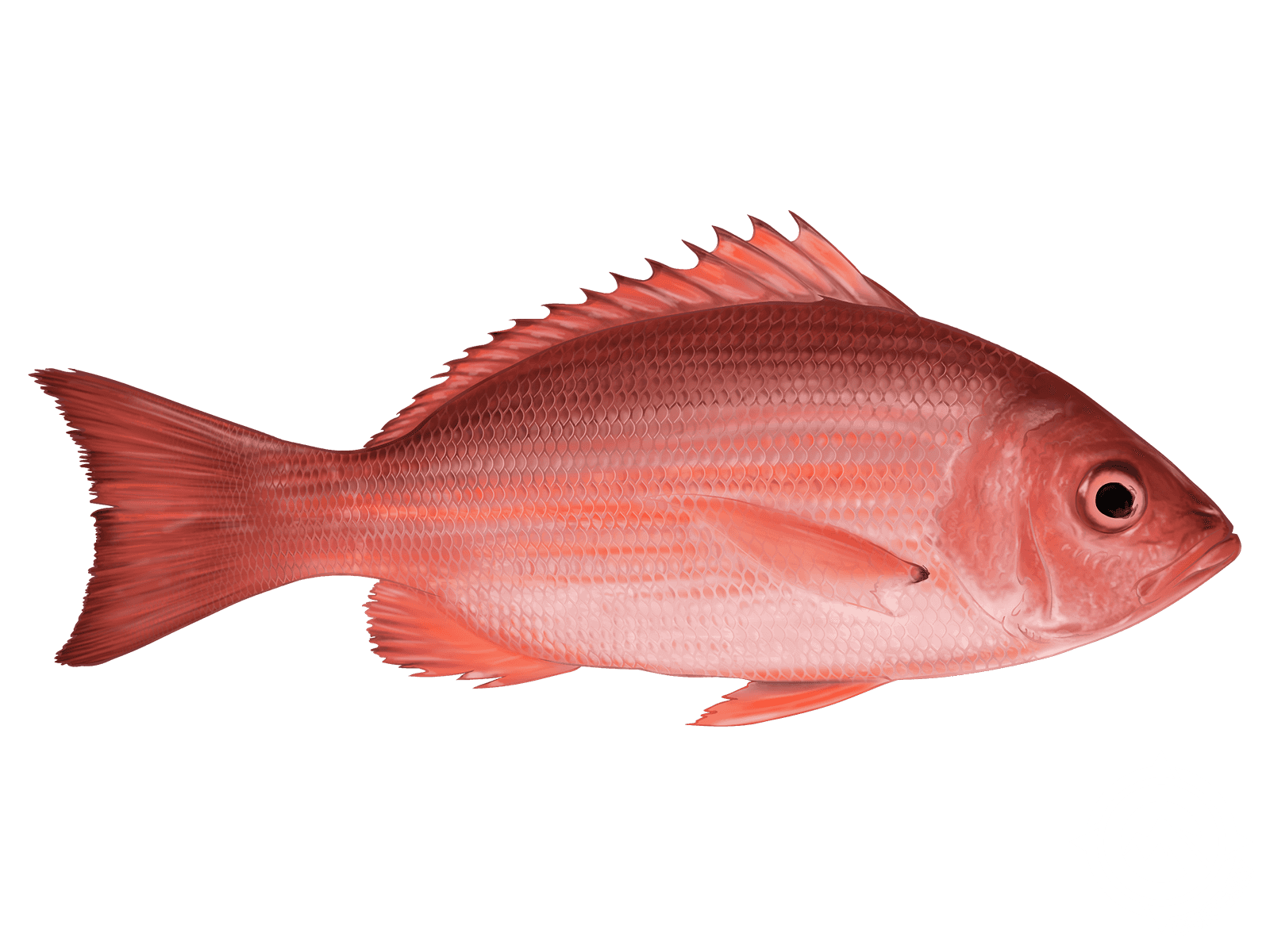
 Red Snapper
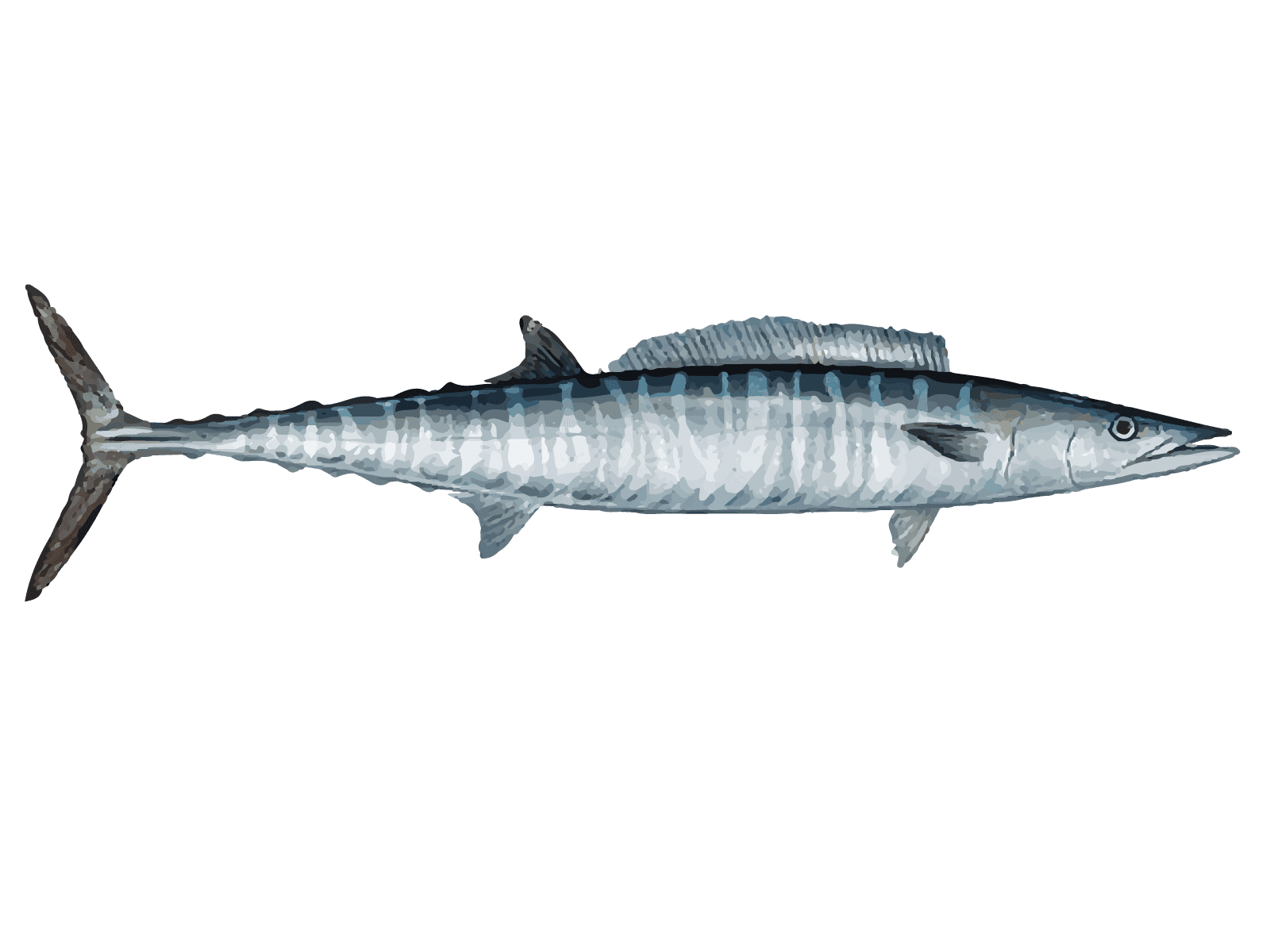
 Wahoo Fish
- 10-12 hour offshore marathon targeting deep-water giants
- High-speed trolling for wahoo, kingfish, and mahi mahi
- Heavy bottom fishing for black grouper and red snapper
Trip Pricing and Availabilities:
High-Speed Gulf Stream Fishing Adventure
Captain David Keezer's marathon offshore fishing trip pushes way beyond the typical day on the water. This world-class deep-water expedition starts before sunrise at Dunlawton Boat Ramp and stretches 10 to 12 hours into some of the most productive fishing grounds off Daytona Beach. You'll cover serious distance to reach the Gulf Stream edge where blue water meets structure, and that's where the magic happens. With heavy-duty tackle, custom rigs, and a captain who knows these waters like the back of his hand, you're set up for the kind of fishing stories that last a lifetime.
What to Expect on the Water
Your day kicks off at 6:00 AM sharp as Captain David fires up the engines and points the bow toward deep water. This isn't a leisurely cruise – you'll be running hard to get past the horizon where the real fish live. The first part of your day focuses on high-speed trolling along temperature breaks and current edges where pelagic species hunt. You'll pull spreads of lures and rigged baits through prime wahoo water, king mackerel highways, and mahi mahi pods. Once Captain David locates productive bottom structure, the game shifts to heavy tackle bottom fishing where grouper and snapper rule. The boat stays equipped with everything from wire line setups to electric reels, so you can focus on fighting fish instead of rigging gear. With only four anglers max, everyone gets plenty of rod time and personal attention from one of Daytona's top-rated captains.
Techniques and Tackle
Captain David runs a two-phase approach that maximizes your chances at multiple species. The morning trolling spread typically includes high-speed lures, ballyhoo rigs, and wire line setups pulled at 8 to 15 knots along structure and current breaks. GPS and fish finder technology help locate bait schools and temperature changes where pelagics concentrate. When it's time to drop for bottom fish, the captain switches to heavy conventional reels loaded with 80 to 130-pound test line. Circle hooks and heavy sinkers get baits down to depths where true giants hold. Electric reels handle the deep drops, but you'll still feel every head shake and run these fish make. All tackle, rigging, and licensing gets handled by the crew, though serious anglers should bring their own gear if they prefer. The boat's equipped with outriggers, downriggers, and a full spread of rods to keep multiple lines working at once.
Species You'll Want to Hook
King mackerel patrol these waters year-round but peak from spring through fall when they stack up along temperature breaks and structure. These silver missiles hit trolled baits with authority and make blistering runs that test your drag system. Daytona kings commonly run 15 to 40 pounds, with occasional smokers pushing 50-plus. They're customer favorites because they fight hard, taste great, and show up consistently in these productive waters.
Mahi mahi bring explosive surface action when schools move through during warmer months. These acrobatic fighters light up in electric colors and launch themselves clear of the water when hooked. Daytona mahi typically range from schoolie size up to 30-pound bulls, and they often travel in pods that provide non-stop action once you locate them. Their willingness to hit everything from trolled lures to live bait makes them perfect targets for this style of fishing.
Wahoo represent the speed demons of the deep, capable of 60-mph runs that can empty a reel in seconds. These torpedo-shaped predators ambush trolled baits along drop-offs and current edges, delivering some of the most explosive strikes you'll experience. Daytona wahoo commonly reach 30 to 60 pounds, with their razor-sharp teeth and incredible speed making every hookup a memorable battle.
Red snapper hold along deeper structure and ledges where Captain David drops heavy bottom rigs. These crimson fighters pull hard toward cover and provide steady action when conditions align. The extended range of this trip reaches prime red snapper habitat that shorter charters can't access, giving you shots at quality fish in the 5 to 15-pound range.
Black grouper anchor themselves to deep structure and rockpiles where they ambush passing prey. These muscle-bound bruisers test heavy tackle with powerful runs toward cover. Daytona's black grouper can exceed 50 pounds, and their willingness to eat large baits makes them perfect targets for this style of bottom fishing. Their incredible pulling power and tendency to dive for structure creates some of the most challenging fights you'll encounter offshore.
Time to Book Your Spot
This extended offshore marathon delivers the distance and fishing time needed to reach Daytona's best deep-water fishing grounds. Captain David's experience reading conditions, locating fish, and managing tackle lets you focus on what matters most – fighting fish and making memories. The combination of high-speed trolling and heavy bottom fishing covers all bases for a complete offshore experience. With space limited to just four anglers, this top-rated charter fills up quickly during peak seasons. Book your spot now for the kind of deep-water fishing adventure that reminds you why you love being on the ocean.
Learn more about the animals
Black Grouper
Black grouper are the heavyweights of our reef system, with most fish running 5-15 pounds and giants pushing 40+ on the deeper ledges. These ambush predators live around structure in 60-300 feet - wrecks, rock piles, and drop-offs where they can hide and pounce. They bite best during cooler months when they move shallower to feed. What guests love is the raw power - they'll suck in your bait and immediately try to get back to their cave. The meat is primo too, with firm white fillets that have a mild, sweet flavor. They're not picky eaters, so live pinfish or chunks of bonito work great. The secret is getting them up and away from structure fast. Use heavy tackle with at least 80-pound leader, and once you feel that thump, horse them up immediately.
King Mackerel
King mackerel are built for speed and can hit 40+ mph, making them one of the most exciting fish to hook out here. These silver rockets typically run 15-30 pounds, though we see some bruisers pushing 50+ off the deeper ledges. They cruise the 60-150 foot range along current breaks and structure, especially during spring and fall migrations. What makes them special is that screaming initial run - they'll peel line like nothing else. The meat's excellent too, with firm white flesh that's perfect on the grill. Pro tip: use a wire leader and keep your drag loose on the hookset. Kings have razor teeth and will cut you off in a heartbeat if you clamp down too early. Once you get them away from structure, tighten up and enjoy the fight.
Mahi Mahi or Common Dolphinfish
Mahi mahi are absolute showstoppers with their electric colors and acrobatic fights. These surface feeders typically run 10-25 pounds but can hit 40+ when we find the right schools. They love floating debris, weed lines, and current edges in 100+ feet of blue water. Peak season runs April through September when water temps climb above 75°F. What guests love most is watching them light up in neon blues and golds during the fight, plus they're fantastic eating with sweet, flaky white meat. They're aggressive feeders that'll often bring friends - catch one and there's usually more below. Keep a ballyhoo or small tuna ready for the second drop. They hit hard but tire quick, so keep steady pressure and watch for those spectacular jumps.
Red Snapper
Red snapper are the ultimate bottom bruisers, and once hooked, they'll test every knot in your rig. These deep-water fighters typically run 3-8 pounds, but 15+ pounders lurk around the best structure. They hug hard bottom in 80-200+ feet - wrecks, ledges, and rocky outcroppings where they ambush baitfish. Season runs June through August, with the biggest fish holding deepest during summer heat. What makes them special is that bulldogging fight straight down, plus they're arguably the best eating fish in our waters - sweet, flaky meat that's restaurant quality. They're smart feeders, so fresh cut bait works best. Drop your bait right to the bottom and hold on tight. When you hook one, crank hard immediately to get them off structure before they cut you off in the rocks.
Wahoo Fish
Wahoo are the speed demons of the deep, hitting 60 mph and making runs that'll test your drag system. Most fish we catch run 20-40 pounds, but 60+ pounders show up regularly on the deeper ledges. They patrol blue water from 60-300 feet, often around drop-offs and current breaks. Best fishing happens fall through spring when water temps drop into the 70s. The initial strike is explosive - they'll hit a high-speed trolled lure and immediately go airborne. What makes them special is that blistering speed combined with excellent table fare. Their white meat is firm and mild, perfect for steaks or fish tacos. Key tip: use wire leaders and troll fast at 12-15 knots. They won't chase slow baits, so keep the speed up to trigger those violent strikes.
About the Century 22-foot Center Console
%2F%2Fusers%2F3ffc1c38-eacf-4136-9ad2-736afa73fba9%2Fvehicle_picture%2Fboat-mstqs6r6.jpg&w=1920&q=75)
Vehicle Guest Capacity: 6
Manufacturer Name: Yamaha
Maximum Cruising Speed: 50
Number of Engines: 1
Horsepower per Engine: 250
Captain David's 22-foot Century center console cuts through Daytona's waters with serious offshore capability. The reliable 250 HP Yamaha pushes this rig far beyond the horizon where the real fish live. Built for those marathon 10-12 hour runs to blue water ledges, this boat handles the Gulf Stream's challenge while keeping your crew of 4 comfortable during long battles with bottom giants. The center console design gives everyone room to work when wahoo are screaming drag and grouper are testing your backbone. Captain David stocks heavy ocean tackle and manages all the technical stuff, so you can focus on the fight. This setup gets you to the deep structure where king mackerel patrol the surface and red snapper stack up on the bottom. When you're serious about reaching the productive waters where trophy fish hold, this Century delivers the range and stability to make those extended offshore runs count.