%2Ffit-in%2F250x250%2Fguide_websites%2F183248%2Fimages%2F1786763499939logo.jpg&w=1920&q=100)
/users/3ffc1c38-eacf-4136-9ad2-736afa73fba9/ratecard/boat-msts7mzw.jpg)
%2F300x300%2Fusers%2F3ffc1c38-eacf-4136-9ad2-736afa73fba9%2Fratecard%2Fboat-msts7mzw.jpg&w=256&q=75)
%2F300x300%2Fusers%2F3ffc1c38-eacf-4136-9ad2-736afa73fba9%2Fimages%2Fdaytona-beach-red-snapper-catch-2512.jpg&w=256&q=75)
%2F300x300%2Fusers%2F3ffc1c38-eacf-4136-9ad2-736afa73fba9%2Fimages%2Fdaytona-beach-cobia-fishing-catch-2543.jpg&w=256&q=75)
%2F300x300%2Fusers%2F3ffc1c38-eacf-4136-9ad2-736afa73fba9%2Fimages%2Fdaytona-beach-cobia-fishing-catch-2668.jpg&w=256&q=75)
%2F300x300%2Fusers%2F3ffc1c38-eacf-4136-9ad2-736afa73fba9%2Fimages%2Fdaytona-beach-gag-grouper-catch-2527.jpg&w=256&q=75)
%2F300x300%2Fusers%2F3ffc1c38-eacf-4136-9ad2-736afa73fba9%2Fimages%2Fking-mackerel-barracuda-daytona-beach-2904.jpg&w=256&q=75)
%2F300x300%2Fusers%2F3ffc1c38-eacf-4136-9ad2-736afa73fba9%2Fimages%2Fdaytona-beach-gag-grouper-fishing-2667.jpg&w=256&q=75)
%2F300x300%2Fusers%2F3ffc1c38-eacf-4136-9ad2-736afa73fba9%2Fimages%2Fdaytona-beach-mixed-species-catch-3105.jpg&w=256&q=75)
%2F300x300%2Fusers%2F3ffc1c38-eacf-4136-9ad2-736afa73fba9%2Fimages%2Fdaytona-beach-cobia-fishing-success-2591.jpg&w=256&q=75)
%2F300x300%2Fusers%2F3ffc1c38-eacf-4136-9ad2-736afa73fba9%2Fimages%2Fgrey-snapper-daytona-beach-florida-2872.jpg&w=256&q=75)
%2F300x300%2Fusers%2F3ffc1c38-eacf-4136-9ad2-736afa73fba9%2Fimages%2Fred-grouper-daytona-beach-fishing-2730.jpg&w=256&q=75)
Battle Heavy Apex Predators On A Coastal Shark Hunt
 Daytona Beach, Florida
What you will be catching:
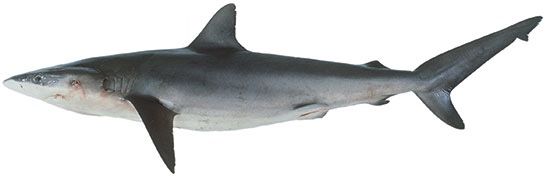 Bull Shark
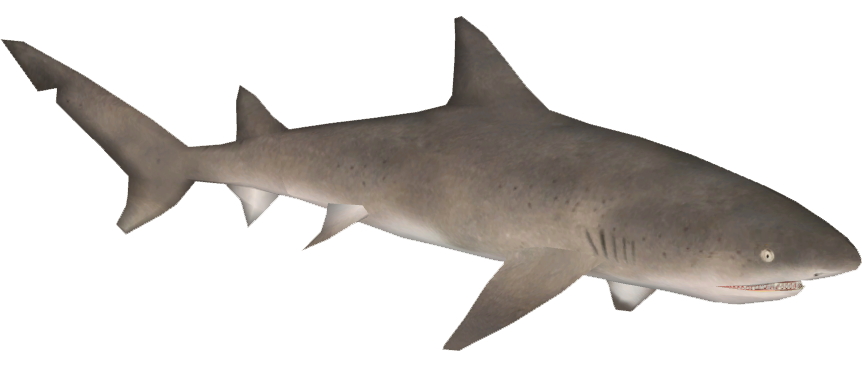 Lemon Shark
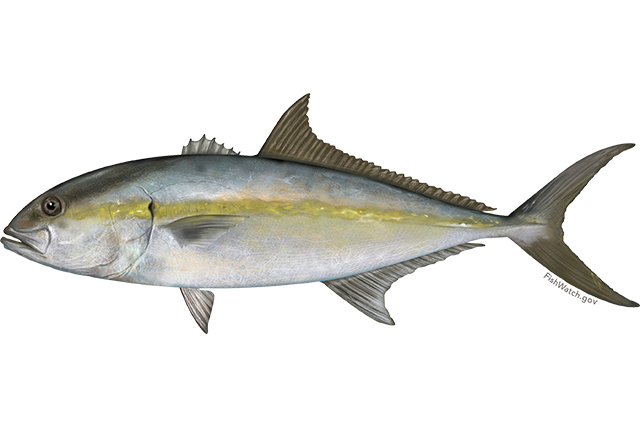 Sand Tiger Shark
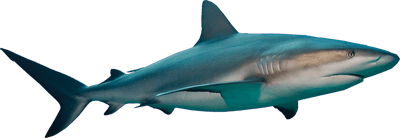 Shortfin Mako Shark
- Three-hour fishing expedition targeting bull, lemon, and mako sharks
- Heavy-duty tackle and fresh bait provided by experienced captain
- Morning or afternoon departures available from Dunlawton Boat Ramp
Trip Pricing and Availabilities:
Battle Heavy Apex Predators On A Coastal Shark Hunt
This isn't your typical inshore trip where you're chasing redfish and trout in the shallows. Captain David Keezer runs a specialized shark fishing operation out of Daytona Beach that's all about one thing – putting you face-to-face with some of the ocean's most powerful predators. We're talking bull sharks, lemon sharks, sand tigers, and if you're really lucky, shortfin makos that'll test every muscle in your body. This 3-hour sprint launches from Dunlawton Boat Ramp and heads straight to the productive waters where these apex hunters patrol the inlet channels and coastal drop-offs. Captain David has been working these waters long enough to know exactly where to set up for the best shot at hooking into something that'll make your drag scream.
What to Expect on the Water
From the moment you step aboard, you'll notice this isn't set up like a typical inshore boat. Captain David runs heavy-duty gear designed specifically for shark fishing – we're talking stout rods, high-capacity reels, and wire leaders that can handle the business end of a bull shark. The morning departure at 7:00 AM gives you cooler water temperatures when sharks are often more active, while the 1:00 PM afternoon slot takes advantage of the tide changes that push baitfish through the inlet. Your group of up to 4 anglers will work the productive waters off Daytona Beach, focusing on structure and current breaks where these predators ambush their prey. Captain David handles all the rigging, bait prep, and licensing details, so you can focus on what matters – being ready when that rod doubles over and the fight begins. The boat positioning is crucial here, as we need to stay mobile and follow the action rather than anchoring in one spot like you might do for bottom fishing.
Heavy Tackle & Battle Tactics
Shark fishing requires a completely different approach than targeting typical inshore species. We're using circle hooks ranging from 8/0 to 12/0 depending on the target species, paired with 400-pound wire leaders that can withstand the razor-sharp teeth and sandpaper-like skin these fish throw at you. The rod setups are heavy conventional combos with serious backbone – think 50-80 pound class tackle that can handle the initial run and sustained pressure of a big shark. Captain David rigs fresh cut bait including bonito, mackerel, and other oily fish that create a scent trail these predators can't resist. The technique involves deploying multiple lines at different depths and distances from the boat, creating a spread that covers various zones where sharks might be hunting. When a shark picks up the bait, you'll know it immediately – the rod tip will start bouncing, then suddenly load up as the fish moves off with your offering. The key is letting the circle hook do its job before engaging the drag and starting the battle.
Species You'll Want to Hook
Bull sharks are the heavyweight champions of these waters, especially during the warmer months from May through October. These stocky predators can push 200-300 pounds and have the strongest bite force of any shark species. They're ambush hunters that love the murky water near inlets where fresh and salt water mix, making them a prime target off Daytona Beach. When you hook a bull shark, expect multiple powerful runs toward structure – they know exactly how to use their environment to try breaking you off. The fight is pure muscle against muscle, with these fish capable of sustained battles that'll leave your arms burning.
Lemon sharks bring a different kind of challenge to the table. These golden-colored predators are incredibly smart and surprisingly agile for their size, often reaching 8-10 feet in local waters. They're most active during spring and fall migrations when water temperatures hit that sweet spot between 72-78 degrees. Lemons have a reputation for being curious about the boat, sometimes circling multiple times before committing to the bait. Once hooked, they're known for spectacular surface battles with impressive jumps and thrashing that'll get everyone's attention on deck.
Sand tiger sharks are the acrobats of the bunch, despite their intimidating appearance with those protruding teeth. These fish are surprisingly gentle fighters compared to bulls, but they make up for it with their impressive size – specimens over 8 feet are common in these waters. They're year-round residents that prefer the deeper channels and structure near the inlet mouth. Sand tigers have a unique ability to gulp air at the surface, making them naturally buoyant and giving them an edge during the fight by maintaining their position in the water column.
Shortfin mako sharks represent the holy grail of this fishery. These speed demons are the fastest sharks in the ocean, capable of hitting 45 mph in short bursts. Makos are more common during cooler months when they follow baitfish migrations closer to shore. Hooking a mako is like connecting with a torpedo – expect blistering runs, spectacular jumps, and a battle that combines raw power with incredible speed. These fish are true offshore species that occasionally venture into our coastal waters, making every mako encounter a special occasion that experienced shark anglers talk about for years.
Time to Book Your Spot
Captain David Keezer's shark fishing trips offer something you won't find on typical inshore charters – a focused, high-intensity experience targeting some of the ocean's most respected predators. The specialized heavy tackle, expert local knowledge, and productive waters off Daytona Beach create the perfect setup for memorable battles with apex predators. Whether you choose the morning or afternoon departure, you'll be fishing prime shark habitat with a captain who understands these fish and knows how to put you in the best position for success. This top-rated experience accommodates up to 4 anglers, making it perfect for small groups looking for world-class shark fishing action. The 3-hour format keeps the intensity high while fitting into your vacation schedule, and with all gear and licensing included, you just need to show up ready for
Learn more about the animals
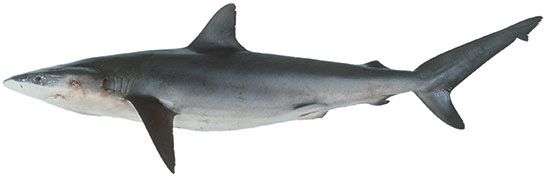
Bull Shark
Bulls are the pit bulls of the shark world - thick, aggressive, and built for close-quarters combat in shallow water. These gray bruisers run 8-12 feet and pack 200-300 pounds of pure muscle, making them perfect for our inlet and coastal fishing. They're here year-round but summer brings peak action when they move into the shallows to feed. What makes bulls special is their ability to handle both salt and freshwater, so you'll find them everywhere from deep channels to brackish backwaters. Guests love the raw power - bulls don't jump much, but they'll drag you around like a freight train. The fight is all about endurance and leverage. Local secret: fresh eel is absolute gold for bulls. The high oil content creates a scent trail they can't resist, and the tough skin stays on the hook through multiple hits.
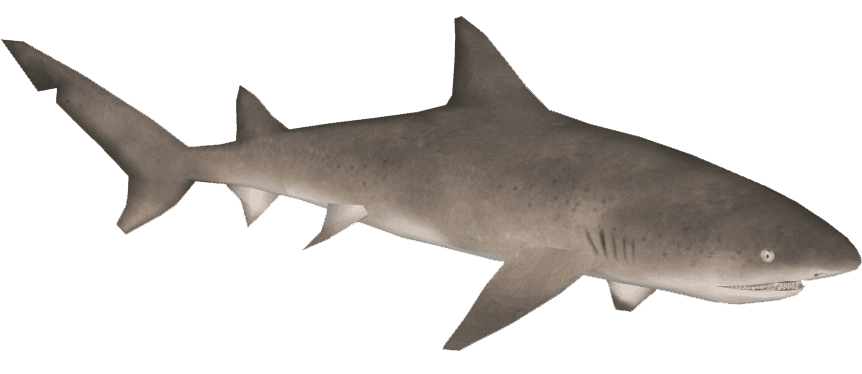
Lemon Shark
Lemon sharks are stocky, golden-bronze predators that average 6-8 feet and love our shallow coastal waters and inlet channels. These guys are built like bulldozers - thick bodies, broad heads, and serious attitude when they grab your bait. You'll find them year-round in 10-50 feet of water around structure, but summer months bring the biggest numbers as they follow baitfish into the shallows. What guests love about lemons is their dogged, determined fight - no flashy jumps, just pure grinding power that'll test your back and forearms. They're also curious sharks that respond well to chum and fresh cut bait. My go-to trick is using big chunks of bonito or mackerel fished right on the bottom near inlet mouths during moving tides. The scent trail draws them in, and once they commit, you're in for a serious tug-of-war.
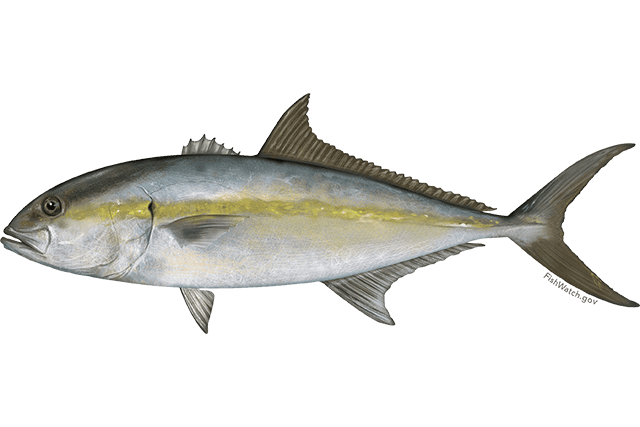
Sand Tiger Shark
Sand tigers are the gentle giants with a scary face - those needle teeth look mean, but they're actually pretty mellow fighters compared to other sharks. These brownish-gray sharks with spotted backs run 7-10 feet and cruise our sandy bottom areas in 20-100 feet of water. Spring through fall is prime time when they're most active, especially during summer months. What's cool about sand tigers is they gulp air to hover motionless while hunting - you'll often find them just sitting on structure. Guests enjoy them because they're a different kind of challenge - more of a steady, stubborn fight than explosive power. The unique look with that distinctive long tail makes for great photos too. Best technique is fresh, oily baits like bonito or mackerel fished right on the bottom. They're not speed demons, so patience pays off when targeting these bottom dwellers.
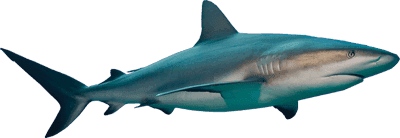
Shortfin Mako Shark
The mako is hands down the fastest shark in the ocean, hitting 30+ mph and launching 20 feet out of the water when hooked. These gray-blue torpedoes average 8-13 feet and pack serious muscle at 130-300 pounds. You'll find them cruising surface waters year-round here off Daytona, but spring through fall offers the best action when baitfish are thick. What makes makos special is their intelligence and raw power - they'll use your boat to snap lines and aren't shy about jumping aboard uninvited. The fight is absolutely brutal, testing every ounce of your strength and gear. Pro tip: when you hook one, keep constant pressure but let it run initially. Fighting too hard early just fires them up more and increases your chance of a boat-side surprise visit.
About the Century 22-foot Center Console
%2F%2Fusers%2F3ffc1c38-eacf-4136-9ad2-736afa73fba9%2Fvehicle_picture%2Fboat-mstqs6r6.jpg&w=1920&q=75)
Vehicle Guest Capacity: 6
Manufacturer Name: Yamaha
Maximum Cruising Speed: 50
Number of Engines: 1
Horsepower per Engine: 250
Captain David's 22-foot Century center console cuts through Daytona's coastal waters with serious authority, powered by a reliable 250 HP Yamaha that gets you to the shark grounds fast. This center console setup gives everyone clear sight lines and room to work when the heavy rods start bending. Built for both inshore channels and near-offshore waters, she handles the chop while you're fighting bull sharks and sand tigers in the inlet currents. With space for 4 anglers plus the captain, there's plenty of elbow room when someone hooks into a lemon shark or mako. The boat's designed for heavy tackle fishing – solid footing, good rod holders, and enough deck space to handle the serious gear needed for these apex predators. Perfect platform for those 3-hour shark hunting sessions when you want to skip the small stuff and go straight for the muscle-testing battles that'll leave your arms burning.