%2Ffit-in%2F250x250%2Fguide_websites%2F183248%2Fimages%2F1786763499939logo.jpg&w=1920&q=100)
/users/3ffc1c38-eacf-4136-9ad2-736afa73fba9/ratecard/720495480_122115954603072841_8959501265373196421_n-mstrxan6.jpg)
%2F300x300%2Fusers%2F3ffc1c38-eacf-4136-9ad2-736afa73fba9%2Fratecard%2F720495480_122115954603072841_8959501265373196421_n-mstrxan6.jpg&w=256&q=75)
%2F300x300%2Fusers%2F3ffc1c38-eacf-4136-9ad2-736afa73fba9%2Fimages%2Fdaytona-beach-red-snapper-catch-2512.jpg&w=256&q=75)
%2F300x300%2Fusers%2F3ffc1c38-eacf-4136-9ad2-736afa73fba9%2Fimages%2Fdaytona-beach-cobia-fishing-catch-2543.jpg&w=256&q=75)
%2F300x300%2Fusers%2F3ffc1c38-eacf-4136-9ad2-736afa73fba9%2Fimages%2Fdaytona-beach-cobia-fishing-catch-2668.jpg&w=256&q=75)
%2F300x300%2Fusers%2F3ffc1c38-eacf-4136-9ad2-736afa73fba9%2Fimages%2Fdaytona-beach-gag-grouper-catch-2527.jpg&w=256&q=75)
%2F300x300%2Fusers%2F3ffc1c38-eacf-4136-9ad2-736afa73fba9%2Fimages%2Fking-mackerel-barracuda-daytona-beach-2904.jpg&w=256&q=75)
%2F300x300%2Fusers%2F3ffc1c38-eacf-4136-9ad2-736afa73fba9%2Fimages%2Fdaytona-beach-gag-grouper-fishing-2667.jpg&w=256&q=75)
%2F300x300%2Fusers%2F3ffc1c38-eacf-4136-9ad2-736afa73fba9%2Fimages%2Fdaytona-beach-mixed-species-catch-3105.jpg&w=256&q=75)
%2F300x300%2Fusers%2F3ffc1c38-eacf-4136-9ad2-736afa73fba9%2Fimages%2Fdaytona-beach-cobia-fishing-success-2591.jpg&w=256&q=75)
%2F300x300%2Fusers%2F3ffc1c38-eacf-4136-9ad2-736afa73fba9%2Fimages%2Fgrey-snapper-daytona-beach-florida-2872.jpg&w=256&q=75)
%2F300x300%2Fusers%2F3ffc1c38-eacf-4136-9ad2-736afa73fba9%2Fimages%2Fred-grouper-daytona-beach-fishing-2730.jpg&w=256&q=75)
Deep-Water Trolling & Bottom Fishing Adventure
What you will be catching:
 Cobia
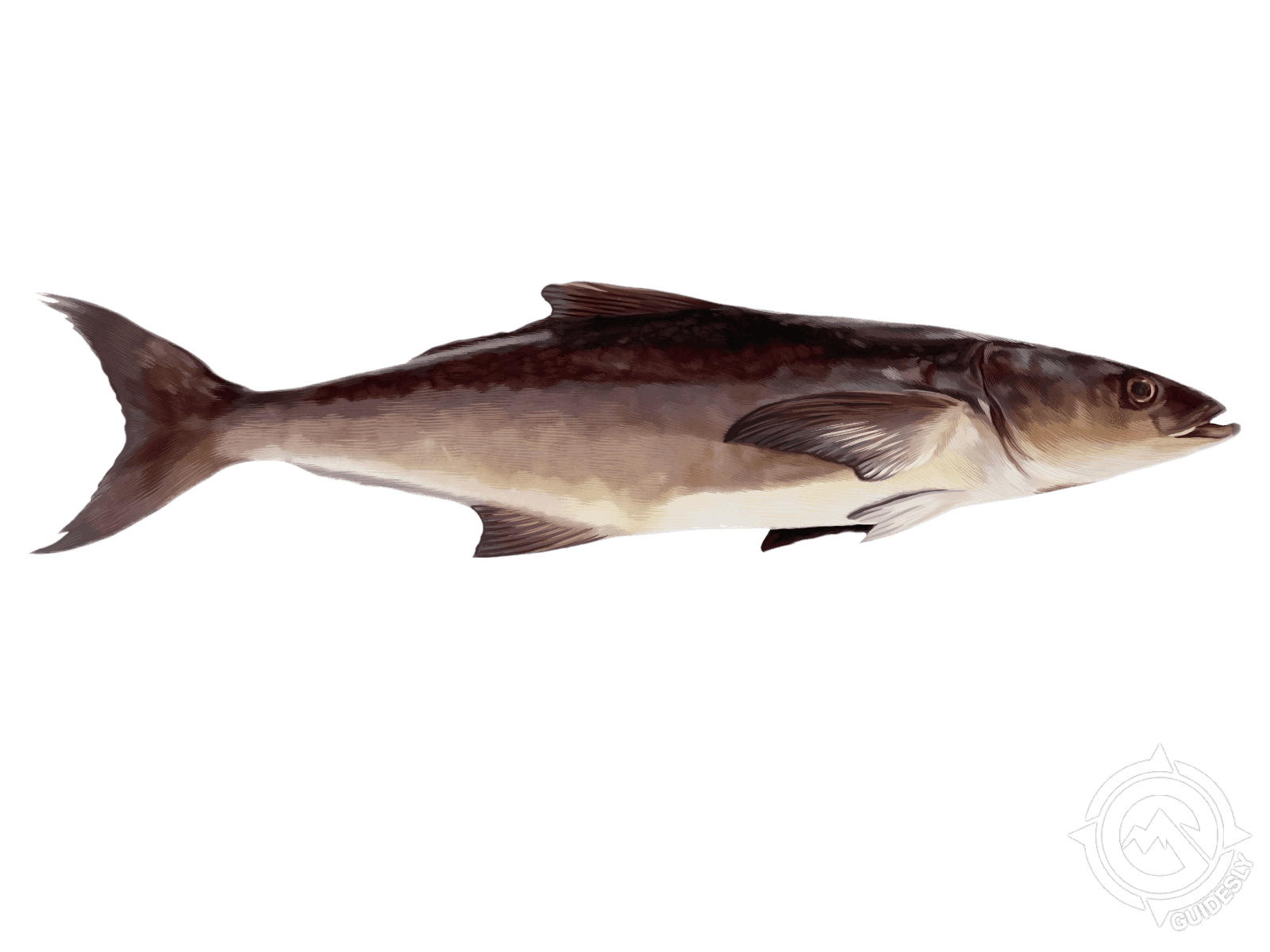
Cobia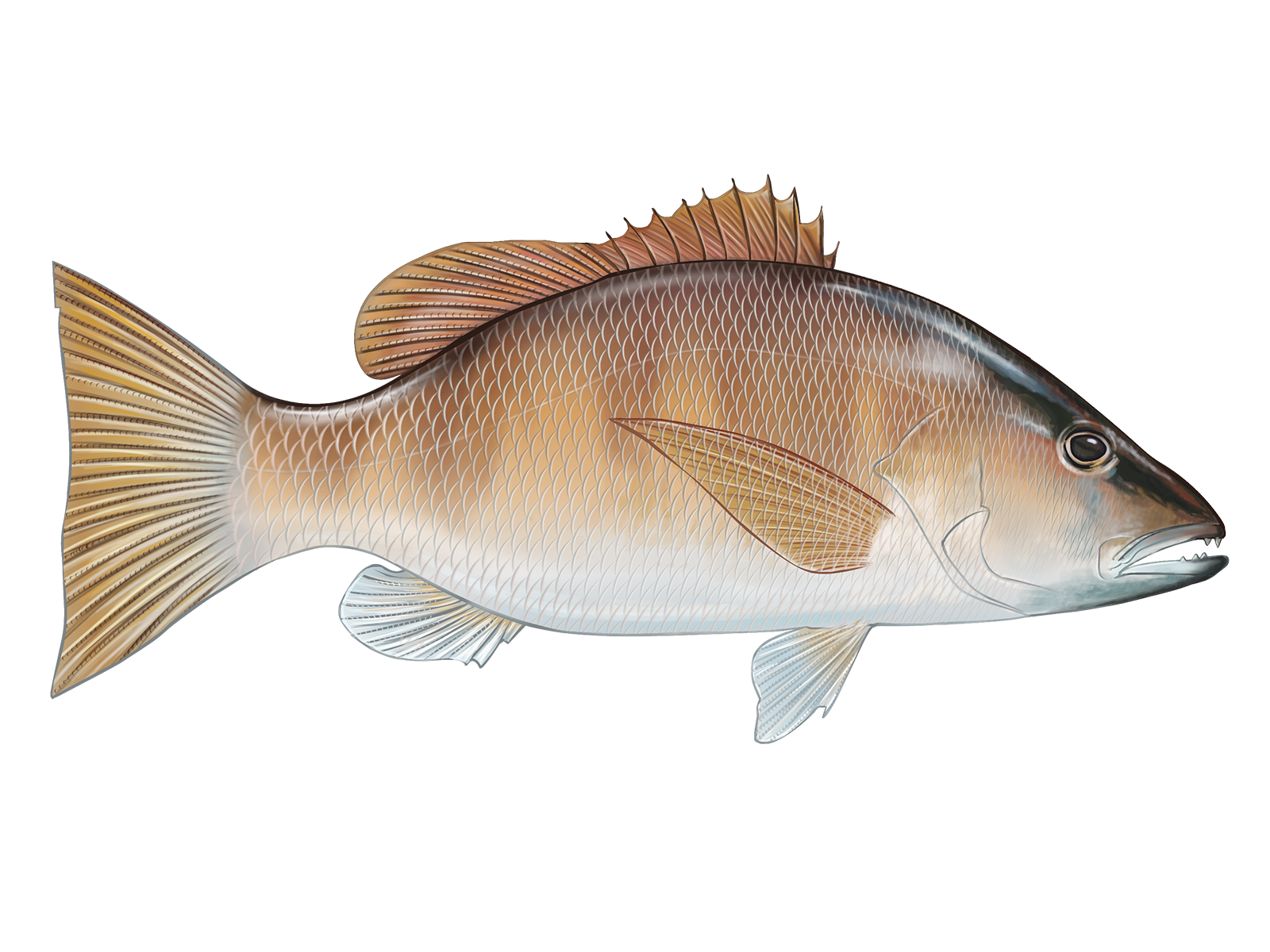 Grey Snapper
 King Mackerel
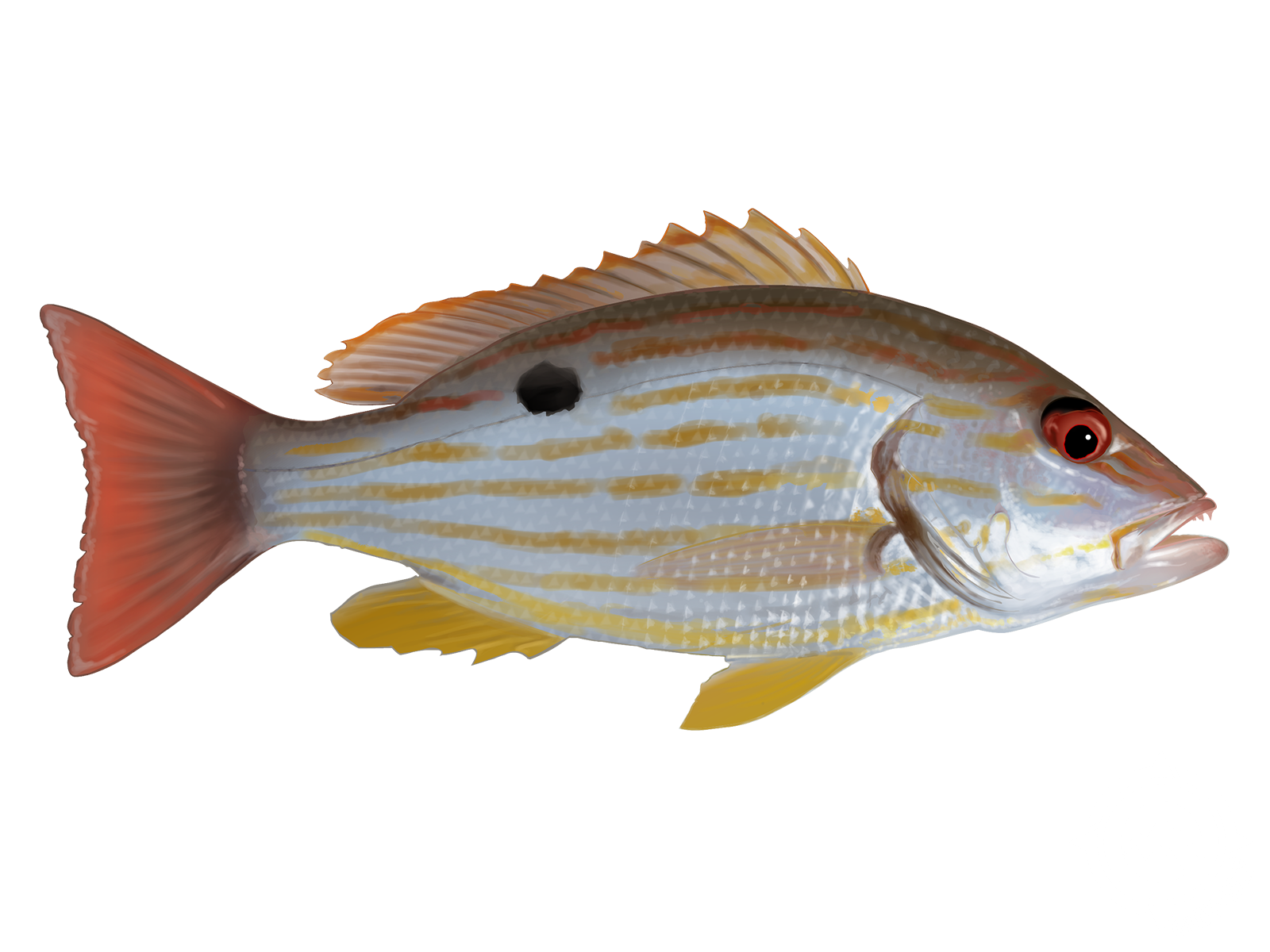 Lane Snapper
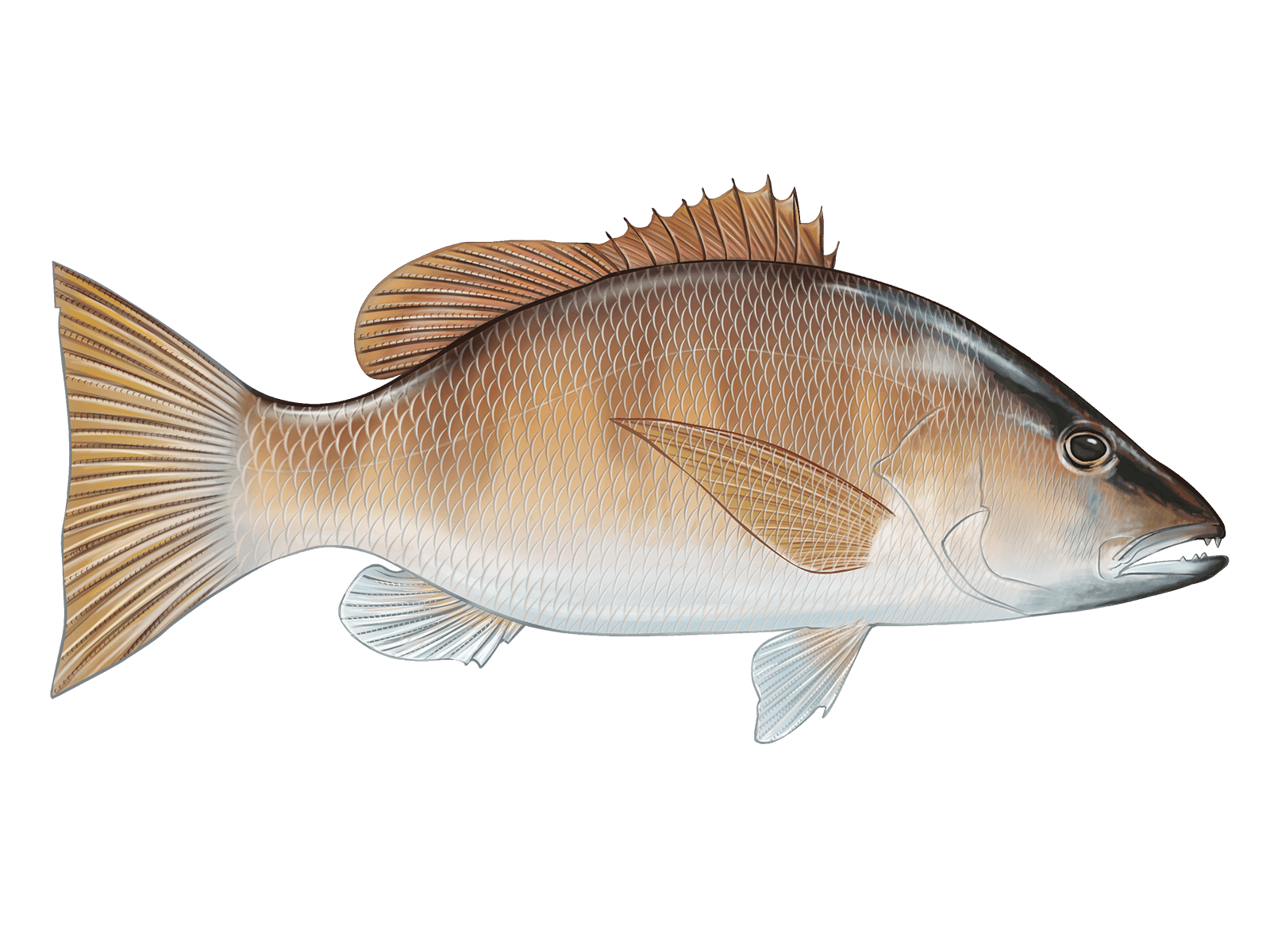
 Red Snapper
- Full-day offshore fishing targeting king mackerel and bottom species
- Eight hours of trolling reefs and dropping heavy rigs
- Captain provides all gear, live bait, and Florida licensing
Trip Pricing and Availabilities:
Deep-Water Trolling & Bottom Fishing Adventure
When you're looking for a serious offshore fishing trip that covers all the bases, Captain David Keezet's 8-hour deep-water charter out of Daytona Beach delivers exactly what hardcore anglers are after. Starting at first light from Dunlawton Boat Ramp, you'll clear the inlet by 7 AM and head straight for the productive ledges, artificial reefs, and wreck clusters that make this stretch of Florida's east coast a magnet for trophy fish. This isn't some quick half-day run – you're getting eight full hours to work the water, switch up techniques, and put serious fish in the boat. With Captain David handling all the heavy gear, live bait, and state licensing, your crew of up to four anglers can focus on what matters most: hooking up and fighting fish.
What to Expect on the Water
This trip is built around versatility and covering water. You'll spend your morning hours trolling the offshore structure for king mackerel, those silver rockets that'll peel line off your reel faster than you can blink. Once Captain David locates the bite, you'll shift gears and drop heavy bottom rigs to target the snapper population living around the deeper reefs and wrecks. The beauty of an 8-hour charter is having time to adapt – if the kings are being finicky, you can spend more time working the bottom. If the snappers are off the bite, you've got hours to cover new trolling grounds. Keep one rod rigged and ready at all times, because when cobia cruise by, you'll want to pitch a live bait their way fast. Captain David knows these waters like the back of his hand, and he'll put you on fish whether they're suspended in the water column or hugging the bottom 60 feet down.
Trolling Tactics & Bottom Rigs
The fishing approach on this charter combines two proven offshore techniques that complement each other perfectly. Trolling involves pulling lures or rigged baits behind the moving boat at specific speeds to trigger strikes from pelagic species like king mackerel. Captain David runs a spread of planers, wire line, and surface baits to cover different depths and present multiple options to cruising fish. When it's time to switch to bottom fishing, out come the heavy rigs – circle hooks loaded with cut bait or live offerings dropped straight down to the structure below. These bottom rigs are built to handle the pull of big snappers and the current around the reefs. The live bait setup stays ready for sight-casting opportunities, especially when cobia show up to investigate the boat. All tackle, terminal gear, and bait are provided, so you're working with commercial-grade equipment designed to handle whatever pulls back.
Species You'll Want to Hook
King mackerel are the speed demons of this fishery, showing up anywhere from late spring through fall when water temperatures climb above 70 degrees. These silver torpedoes can push 20 to 40 pounds off Daytona's reefs, and they hit trolled baits with enough force to snap light tackle in seconds. Kings are pure adrenaline – they make blistering runs, jump, and test your drag system like no other fish. The best part about targeting them here is the numbers; when you find a school, multiple hookups are common.
Red snapper represent the holy grail of bottom fishing in these waters. These crimson beauties live around the deeper structures and can reach impressive sizes, with fish over 10 pounds being regular catches. Red snapper are most active during their summer season, and they're notorious for their bone-jarring strikes when they inhale a bait. Fighting a big red snapper means constant pressure – give them an inch and they'll wrap you around the nearest piece of structure.
Gray snapper, also called mangrove snapper, are year-round residents that provide consistent action when other species are being picky. They're incredibly smart and require finesse, but once hooked, they fight with surprising strength for their size. Gray snappers in the 2 to 5-pound range are common, and they make excellent table fare. Their willingness to bite makes them perfect for keeping the action going between trophy fish.
Lane snapper add numbers to the mix and are fantastic for anglers who want steady action. These smaller cousins to the red and gray snapper school up heavily around the artificial reefs and provide non-stop bites when they're feeding. Lane snappers are perfect for introducing new anglers to bottom fishing, and their pink and yellow coloration makes them one of the prettiest fish you'll catch.
Cobia are the wild cards that can show up any time during the warmer months. These brown sharks of the reef world are curious fish that often approach the boat, giving you sight-casting opportunities that get your heart racing. Cobia can exceed 30 pounds, and they're notorious for their bulldogging fights and refusal to give up. When you see that brown shadow cruising near the surface, everything else stops – cobia are too good to pass up.
Time to Book Your Spot
Captain David Keezet's deep-water charter gives serious anglers exactly what they're looking for: time on the water, proven techniques, and access to Daytona Beach's top offshore fishing grounds. With eight hours to work with, you're not rushed through a quick trip – you have the time to find fish, work different techniques, and make the most of the bite. The combination of trolling and bottom fishing means you're always in the game, whether the pelagics are running or the bottom feeders are active. All gear, bait, and licensing are handled, so you can focus on fishing instead of logistics. This is the kind of charter that converts good fishing days into great ones and gives your crew stories worth telling. Don't wait for the perfect conditions – book your spot and get out there where the fish are biting.
Learn more about the species
Cobia
Cobia are the bruisers that show up when you least expect them, cruising near the surface like brown sharks. These solitary fish average 20-40 pounds but can push 60-80 pounds during their spring and fall migrations. You'll spot them around buoys, wrecks, and floating debris in 30-100 feet of water, especially March through June and September through November. What makes cobia special is their raw power - they fight like freight trains and never give up. Plus, they're some of the best eating fish in the ocean with firm, white meat. Since they're curious by nature, sight-casting to them is pure excitement. Keep a bucktail jig or live bait ready on deck. When you see one, pitch your bait ahead of where they're swimming and work it slowly. Don't spook them with sudden movements.
Grey Snapper
Grey snapper, also called mangrove snapper, are some of the smartest fish you'll encounter on these deep reef runs. They typically run 1-3 pounds offshore, but we've pulled 8-10 pounders from the deeper structure. These copper-red fish with the distinctive dark eye stripe love hanging around the artificial reefs and wrecks in 60-120 feet of water. They're most active during summer months and bite best at dawn, dusk, or night. What makes them special is their incredible table fare - white, flaky meat that's hard to beat. They're also notorious for being line-shy and picky eaters. My tip: once your bait hits bottom, reel up just a foot or two and let it sit still. Too much movement spooks them, and these fish will inspect your offering before committing.
King Mackerel
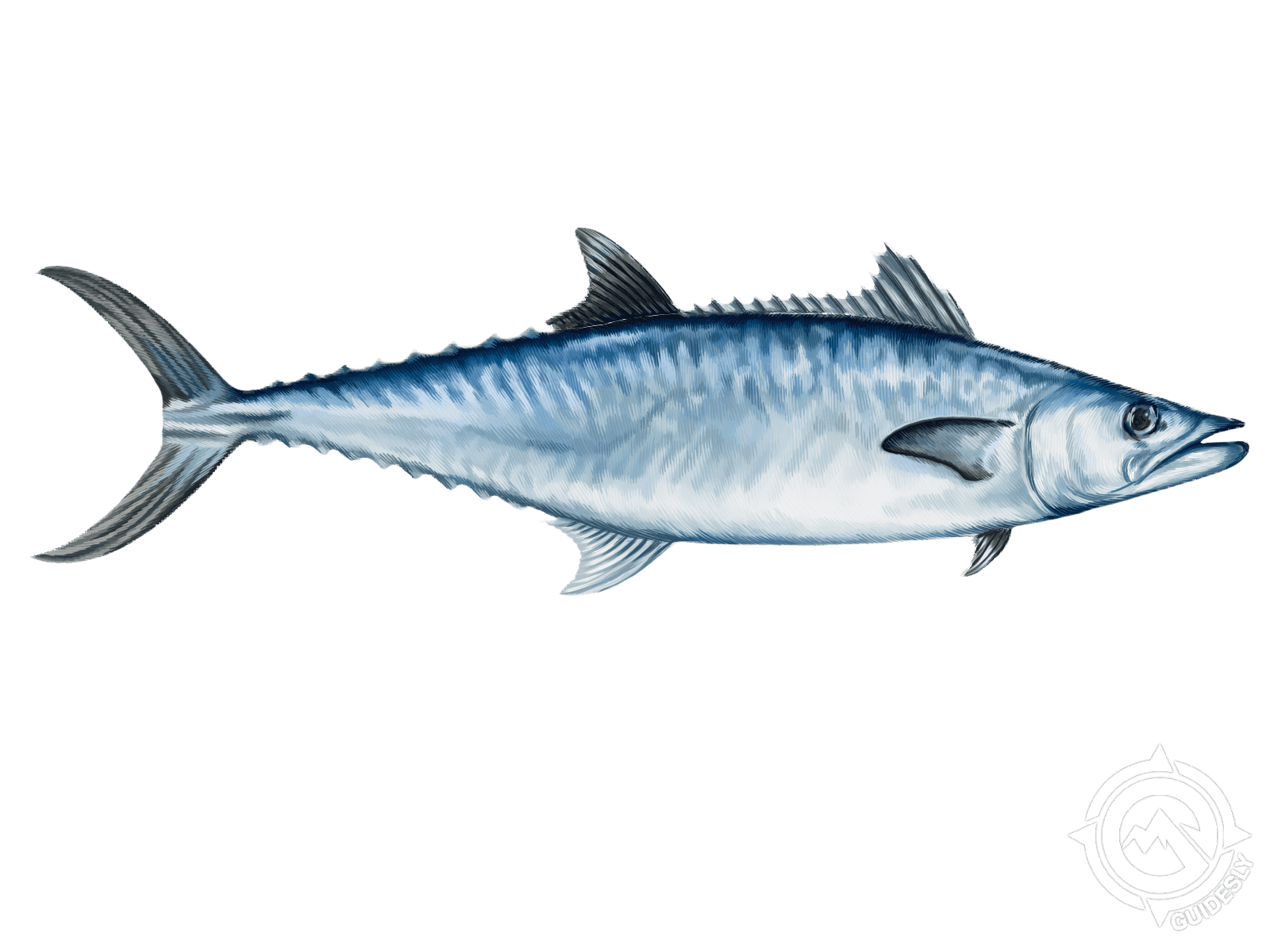
Kings are the speed demons of our offshore trips, and they'll test your drag system like nothing else. These silver bullets typically range 15-40 pounds, but 50+ pounders show up regularly during peak season from April through October. We find them cruising the 40-150 foot range along temperature breaks and current edges near the reefs. What keeps people coming back is that screaming run when they hit - pure adrenaline as line melts off your reel. The meat's excellent too, though oily and rich. Kings are aggressive predators that hit fast-moving baits, so we troll at 6-8 knots with live bait or spoons. Here's the key: use a wire leader and rig two hooks - one in the bait's nose, another trailing behind. Kings often hit the tail first, and that second hook saves the day.
Lane Snapper
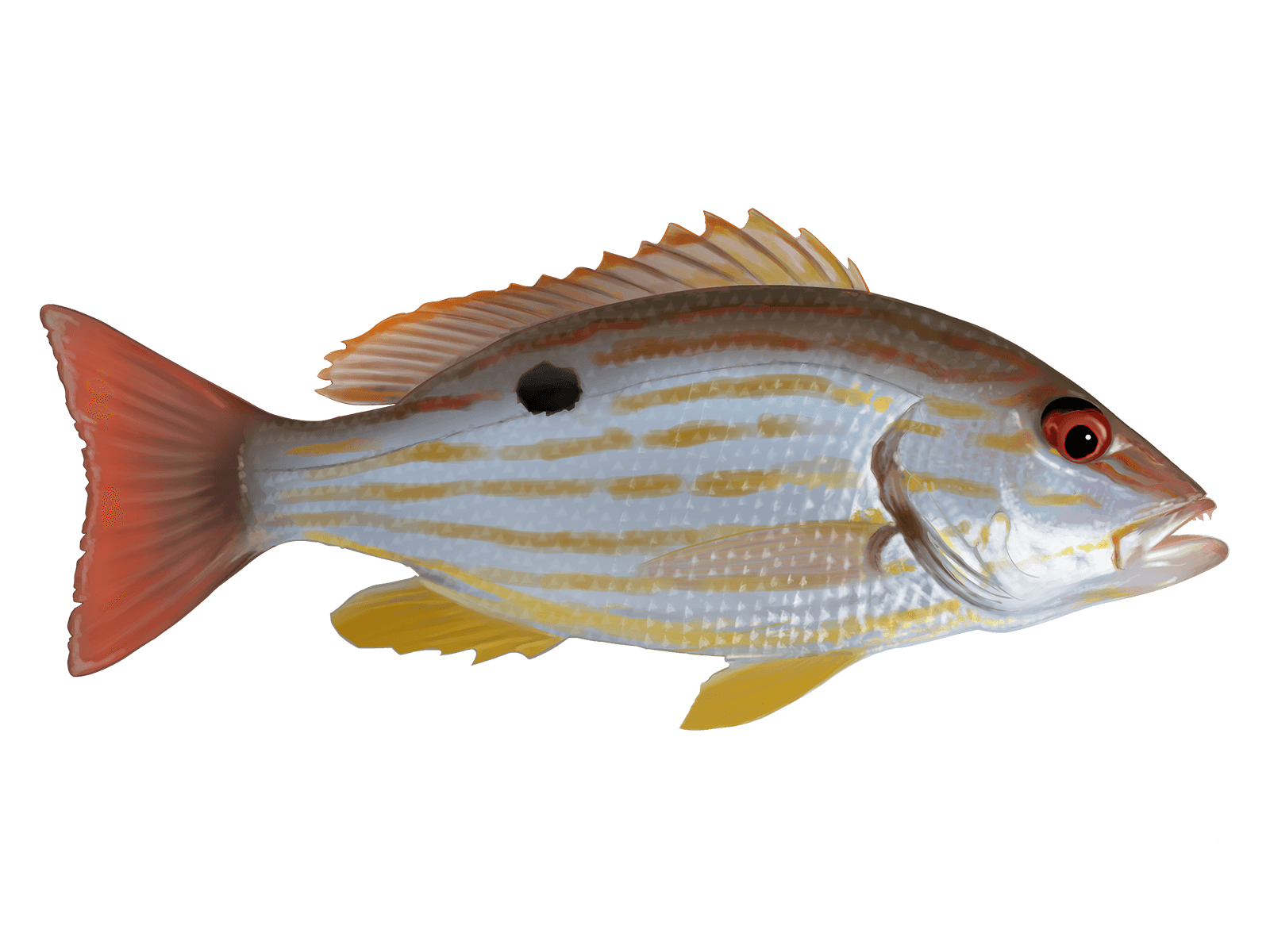
Lane snappers are the colorful little fighters that keep the action steady while you're working the bottom rigs. These pink and yellow striped fish typically run 1-3 pounds and 10-14 inches, perfect for filling the cooler. They live around the same reefs as their bigger snapper cousins in 60-200 feet but are way less finicky about taking bait. Spring through fall is prime time, especially during their spawn from March to September. What's great about lanes is they're aggressive biters and excellent table fare with sweet, firm meat. They're not as spooky as other snappers, so you can keep the action going even when the reds and grays get lockjaw. Small pieces of shrimp, squid, or cut bait work great. Fish them just like you would for other snappers, but use smaller hooks - they have small mouths but big appetites.
Red Snapper
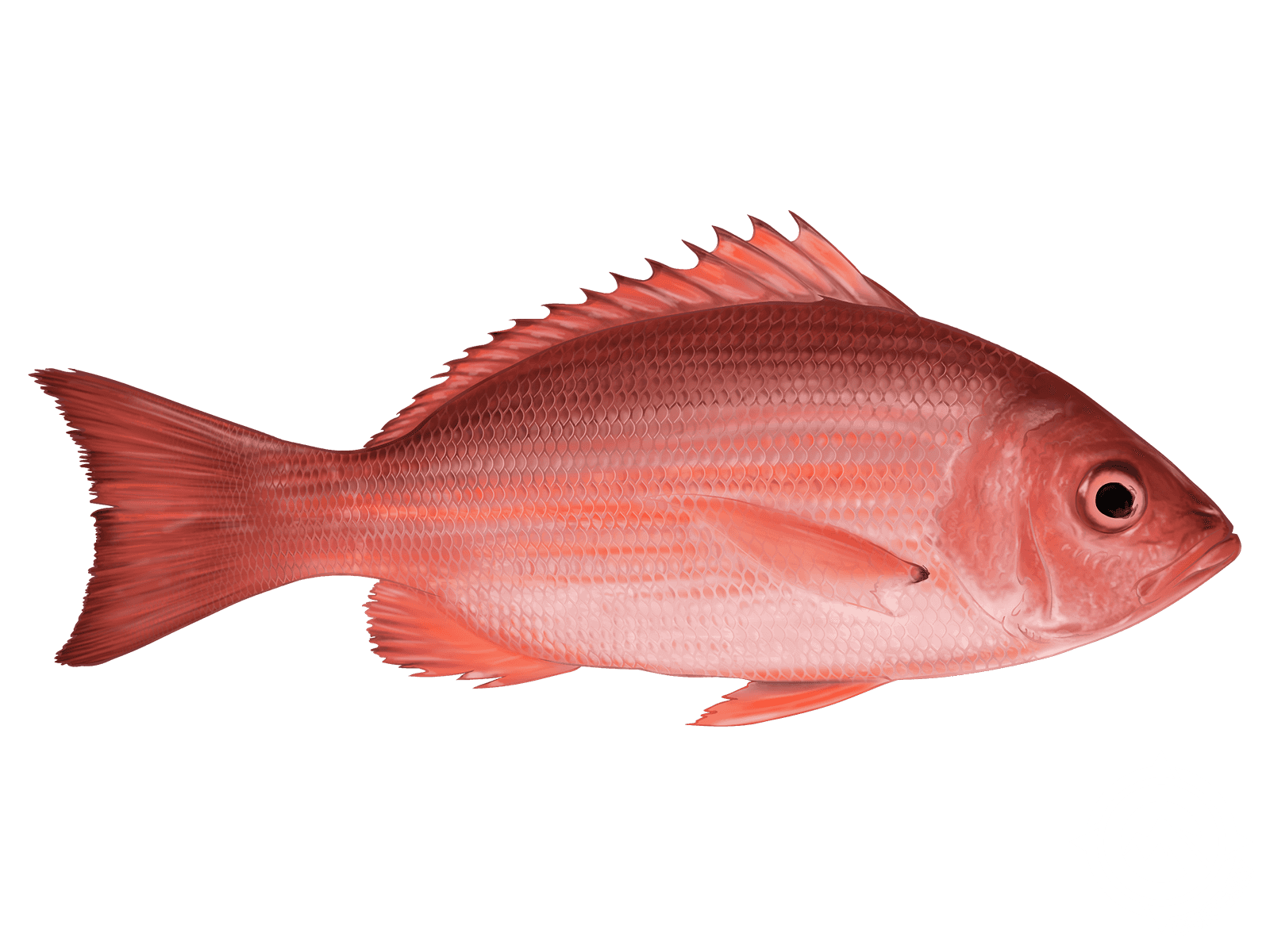
Red snapper are the crown jewel of bottom fishing, and these deep reef systems hold some real giants. Most run 3-8 pounds, but fish over 15 pounds are common on the deeper wrecks and ledges in 80-200 feet. Prime time is summer through early fall when they're most active. These bright red fish are absolute bulldogs once hooked - they'll head straight for structure to cut your line, so keep steady pressure and pump them up fast. The meat quality is why everyone wants them - mild, sweet, and perfect for any cooking method. They're bottom huggers that love cigar minnows, cut bait, or live pinfish. The secret is using enough weight to stay on bottom in the current, and when you feel that tap-tap bite, set the hook hard. Don't give them time to think about it or run for cover.
About the Century 22-foot Center Console
%2F%2Fusers%2F3ffc1c38-eacf-4136-9ad2-736afa73fba9%2Fvehicle_picture%2Fboat-mstqs6r6.jpg&w=1920&q=75)
Vehicle Guest Capacity: 6
Manufacturer Name: Yamaha
Maximum Cruising Speed: 50
Number of Engines: 1
Horsepower per Engine: 250